 Skip to content
Raspberry Pi is a tiny computer system that packs a punch in electronics and can connect to a monitor for top performance. It’s versatile and can help new Pi users learn to code, build cool gadgets like a wearable Raspberry Pi, or even set up your media center with an inexpensive Raspberry Pi monitor. To monitor the system, you can create fun projects like retro game consoles, smart mirrors, or even weather stations. The possibilities are endless! This little device is perfect for beginners and pros alike, as it serves as a monitor in the system.
In this listicle, we’ll share some awesome ways to use Raspberry Pi as a monitor system. Each idea will spark your creativity and show you how to make the most out of this mini powerhouse system while you monitor your progress. Get ready to explore some fun projects that will entertain you for hours on the monitor system. Please scroll down for reviews of our top picks!
1. Retro Gaming Console
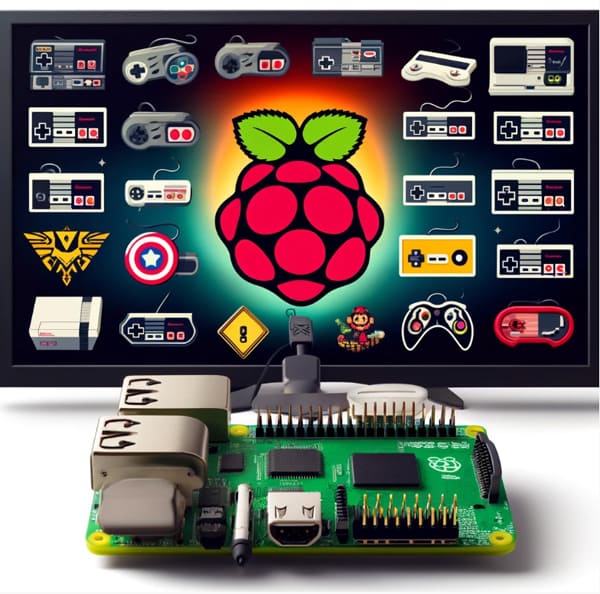
Transforming a Raspberry Pi into a retro gaming console system with a monitor is an exciting project for tech lovers. This small computer can run emulators for classic arcade games and original computers on a monitor as part of its system.
Start by installing popular emulators like RetroPie or Recalbox. These platforms allow you to play games from systems like NES, Sega Genesis, and even arcade classics. The process is straightforward and involves downloading the software onto your Raspberry Pi.
Next, connect the Raspberry Pi to your TV using an HDMI cable. This setup turns your living room into a retro gaming hub. Use USB controllers for an authentic feel. Many options, including wireless controllers, make gameplay even more enjoyable.
Customization adds to the fun. You can change themes and organize game libraries to access your favorite titles easily. For example, create sections for different consoles or genres. This feature makes it simple for family members to find their preferred games quickly.
Statistics show that retro gaming has gained popularity, with many people seeking nostalgia through these classic games. According to a survey by the Entertainment Software Association, over 60% of gamers enjoy playing older titles.
This project not only entertains but also teaches valuable skills in programming and hardware setup. It’s a perfect way for families to bond over shared gaming experiences while exploring the capabilities of versatile computers like the Raspberry Pi.
2. Home Automation System
Home automation systems using Raspberry Pi allow you to control your home devices easily. This setup integrates hardware projects and smart devices, creating a centralized control point.
You can connect various sensors and relays to manage lights, thermostats, and appliances from anywhere. For example, with motion sensors, your lights can turn on automatically when someone enters a room. This not only saves energy but also adds convenience.
Programming is crucial in this system. You can set automated routines based on time or environmental conditions. For instance, program your thermostat to adjust the temperature when you leave for work. This helps save on energy bills while ensuring comfort when you return home.
Raspberry Pi supports various programming technologies that enhance functionality. Use Python or Node.js to write scripts that communicate with your smart devices. The Raspberry Pi's flexibility allows it to work with different operating systems, such as Raspbian or Ubuntu, making it versatile for your needs.
Integrating motors can add an extra layer of automation. Imagine controlling a robotic arm to fetch items or close curtains at specific times. This feature showcases how Raspberry Pi can extend beyond basic home automation into more complex electronics projects.
3. Network-Attached Storage (NAS)
Setting up a Network-Attached Storage (NAS) with Raspberry Pi allows you to store and share files easily across various devices. This setup enhances your home or office network by providing centralized storage.
Connect external hard drives via USB ports on the Raspberry Pi. This connection expands your storage capacity significantly. You can use multiple drives, allowing for large amounts of data to be stored without hassle. For instance, if you have an old external drive lying around, just plug it in, and you're ready to go.
Using a Linux OS on your Raspberry Pi makes this process smooth. Linux supports file-sharing protocols like Samba, which allows Windows and Mac users to access files effortlessly. Imagine streaming movies or accessing important documents from any device in your home.
Implementing user permissions is crucial for security. Control who can access certain files or folders. For example, you might want to restrict access to sensitive work documents while allowing family members to view shared photos.
Statistics show that NAS solutions can save users money compared to commercial options. A DIY NAS with Raspberry Pi costs significantly less than traditional NAS systems available on the market.

4. Weather Station
Assemble a weather station using Raspberry Pi to monitor environmental conditions. This project requires sensors to track temperature, humidity, and air pressure. By setting up these sensors, you can gather data on the weather in your area.
Collecting this data over time offers valuable insights. For example, you can see how temperatures change throughout the seasons or how humidity affects local weather patterns. This is not just useful for personal interest; it can also serve educational purposes. Students can learn about meteorology by analyzing the data collected from their own backyard.
Display real-time weather information on a web interface. This feature allows you to access the data from anywhere with an internet connection. You can check conditions before heading out or share updates with friends and family.
Key Features:
Sensors: Use temperature, humidity, and air pressure sensors for accurate readings.
Data Analysis: Track changes over time to better understand the local climate.
Web Interface: Access real-time data remotely for convenience.
Setting up a weather station is straightforward and has the right instructions. Many online resources provide step-by-step guides to help you through the process.
This project enhances your tech skills and connects you with nature. Understanding local weather patterns can improve gardening efforts or inform outdoor activities.
5. Media Center
Install software like Kodi or Plex to transform your Raspberry Pi into a media center. These platforms let you stream content from various sources, enriching your media experience.
Connect your Raspberry Pi to multiple media sources. Access local files stored on your devices, online streaming services like Netflix or Hulu, and even live TV channels. This versatility allows you to enjoy various content without needing multiple devices.
Control your media library with ease. Use a remote control or a smartphone app to navigate through your shows, movies, and music. This convenience makes it simple for people of all ages to find what they want to watch or listen to.
Consider the audio output options as well. You can connect your Raspberry Pi to televisions or speakers for an enhanced sound experience. Many people appreciate having multiroom audio, allowing them to enjoy music in different rooms simultaneously.
Raspberry Pi also supports high-definition video output. This feature ensures that your movies and shows look great on any screen you choose. The quality remains impressive whether you're watching on a small monitor or a large television.
In summary, using Raspberry Pi as a media center offers flexibility and ease of use. It combines various media sources into one device, making it an excellent choice for entertainment enthusiasts. Enjoy all your favorite content in one place!

6. VPN Server
A VPN server on Raspberry Pi helps secure your internet connection and protect your privacy. It creates a private network over the internet, allowing you to browse safely.
Setting up a VPN server lets you access your home network while traveling or using public Wi-Fi. This is crucial because public networks can expose your data to hackers. With a VPN, your online activities stay private.
To enhance security, configure encryption protocols like OpenVPN or WireGuard. These protocols encrypt your data, making it unreadable to anyone who might intercept it. For example, OpenVPN uses strong encryption methods that are widely trusted to protect sensitive information.
You can easily find tutorials online to guide you through the setup process. Many users report feeling safer when accessing their bank accounts or personal emails over public Wi-Fi after setting up their VPN on Raspberry Pi.
Benefits of using a VPN server:
Secure remote access: Connect to your home network from anywhere.
Data protection: Keep your online activities safe from prying eyes.
Cost-effective: Using Raspberry Pi as a VPN server saves money compared to commercial options.
7. Smart Mirror
Creating a smart mirror with Raspberry Pi offers your home a blend of technology and functionality. This project uses a two-way mirror combined with a display screen to show useful information while maintaining a sleek appearance.
The smart mirror can display the time, weather updates, news headlines, and even calendar events. Integrating it into your daily routine lets you glance at essential details while getting ready in the morning or winding down at night.
Customization is key. You can personalize the interface with various widgets that suit your needs. Want to know the latest sports scores? Add a sports widget. Are you interested in motivational quotes? That’s easy, too! Voice commands can enhance interaction, allowing you to ask for updates hands-free.
Using Raspberry Pi as the brains of your smart mirror makes this project accessible and affordable. The process involves connecting the Raspberry Pi to the display and configuring it to work with the two-way mirror.
This project provides practical information and adds a modern touch to any room. According to recent surveys, nearly 70% of people find smart mirrors appealing due to their functionality and aesthetics.
With smartphones becoming central to our lives, integrating them with devices like smart mirrors creates a more connected home environment. This seamless experience can make daily routines smoother and more enjoyable.
8. IoT Security Camera
An IoT security camera offers a practical solution for home safety using Raspberry Pi. You can build this system with a Pi model and a compatible camera module. This setup allows you to monitor your property efficiently.
One of the main features is streaming live video feeds. You can access these feeds from your smartphone or computer. This means you can monitor your home while you're away. For instance, if you travel often, being able to check in on your pets or packages can provide peace of mind.
Motion detection alerts add another layer of security. When the camera detects movement, it sends notifications directly to you. This feature helps you respond quickly to any suspicious activity. For example, you will know immediately if someone approaches your front door.
Storing recorded footage is also crucial. You can save this data on cloud services or local storage. Cloud options like Google Drive or Dropbox make it easy to access videos from anywhere. Local storage, like an external hard drive, ensures you have backups even without internet access.
Building an IoT security camera with Raspberry Pi saves money compared to commercial systems and gives you full control over your security setup. With the right configuration, you can customize settings to fit your specific needs.

9. Personal Web Server
Hosting a personal web server on your Raspberry Pi allows you to run websites or applications right from home. This setup is perfect for Pi users who want to explore web development hands-on.
You can easily manage server settings and configurations through a user-friendly interface. This makes it accessible even for beginners. For example, tools like Apache or Nginx can help you quickly set up a simple website.
Experimentation is key when learning about servers. A Raspberry Pi allows you to test different projects without the risk of affecting live sites. You might want to create a blog, host your portfolio, or even run a small online store.
Statistics show that many users prefer personal servers for privacy reasons. According to recent surveys, over 60% of users value control over their data more than convenience. By hosting your own server, you keep your information safe from larger corporations.
Running a personal web server can also save Pi users money. Instead of paying for hosting services, you can use your Raspberry Pi as a cost-effective solution. It uses very little power, making it an eco-friendly choice, too.
10. AI Voice Assistant
Creating an AI voice assistant with Raspberry Pi is fun and practical. To get started, use open-source software like Mycroft or Google Assistant SDK. These tools allow you to build a system to understand your voice commands.
Voice recognition and natural language processing are key features. They enable your assistant to respond accurately to what you say. For example, it can connect to your favorite streaming service if you ask it to play music.
Integrate your voice assistant with smart home devices. This feature lets you control lights, thermostats, and even security systems using just your voice. Imagine saying, “Turn on the living room lights,” and having them light up instantly. It adds convenience to daily life.
Setting up a Raspberry Pi-based voice assistant is much cheaper than buying a commercial Alexa speaker. Thus, you can create a custom experience without spending a fortune.
Here are some benefits of using an AI voice assistant:
Cost-effective: Building it yourself saves money.
Customization: Tailor it to fit your needs.
Learning experience: Gain skills in programming and technology.
Incorporating an AI voice assistant into your home can enhance your interaction with technology. It helps streamline tasks while making life simpler and more enjoyable.
11. Digital Art Frame
A digital art frame using Raspberry Pi displays rotating images or artwork. This project allows users to create a personalized gallery that showcases favorite pieces or family photos.
To start, you need a case for your Raspberry Pi. A simple frame that fits the screen and protects the components works well. You can choose from various online options, including DIY kits with everything you need.
Connect your Raspberry Pi to online galleries or personal photo libraries. This connection provides endless content for your frame. You can pull images from services like Google Photos or Flickr.
Customizing slideshow settings is where creativity shines. Adjust transition effects and timing to suit your style. For example, you might set the frame to display a new image every 10 seconds for a lively feel.
e users even integrate motion sensors. This feature turns the frame on when someone approaches, saving energy while enhancing user experience.
Consider using an arm to adjust the angle of the frame, which will allow better viewing from different positions in a room.
This project brings art into your space and offers a fun way to showcase memories. With the right setup, your digital art frame becomes a conversation starter and a unique home decor item.
12. Portable VPN Router
Setting up a Portable VPN Router with Raspberry Pi allows users to browse the internet securely, especially when traveling. This setup provides a simple way to maintain privacy on public networks.
Raspberry Pi can share a single VPN connection among multiple devices. It means you can connect your laptop, tablet, and smartphone all at once without risking your security. This is crucial in places like cafes or airports, where hackers often target unsuspecting users.
The Raspberry Pi's size makes it easy to carry. It fits snugly in a bag or even a pocket. Its USB ports allow you to connect additional storage or power sources if needed. The ethernet port also offers a stable connection when available, ensuring reliable internet access.
Using a Raspberry Pi as a VPN router helps extend your online presence safely. You can enjoy streaming services or access sensitive information without worrying about data breaches.
For example, imagine being in a hotel that offers free Wi-Fi. Setting up your Raspberry Pi as a portable VPN router protects your data from prying eyes while you check emails or do online banking.
Regarding battery life, the Raspberry Pi can run for hours when powered by a portable charger. This flexibility allows for uninterrupted browsing during long trips.
13. Wildlife Camera
Setting up a wildlife camera with Raspberry Pi allows you to capture images or videos of animals in their natural habitat. This project is great for kids and adults alike. It sparks curiosity about nature and encourages outdoor exploration.
To create your wildlife camera, use a Raspberry Pi along with a compatible camera module. Motion sensors are added to trigger recordings only when they detect movement. This feature conserves storage space and ensures you capture only the most interesting moments, like a family of mice scurrying by or deer grazing near plants.
This setup can be especially fun for kids. They can learn about wildlife behavior while analyzing footage later. For example, they might discover how often certain animals visit their backyard. This hands-on experience helps children understand ecosystems better.
You can also use this data for research purposes. Many scientists rely on similar techniques to study animal populations without disturbing them, and the information gathered can contribute to important conservation efforts.
Here are some key points to consider:
Camera Setup: Use a Raspberry Pi camera module.
Motion Sensors: Save storage by recording only when movement occurs.
Educational Value: Great for kids' learning about wildlife.
Research Potential: Useful for studying animal behavior.
Creating a wildlife camera with a Raspberry Pi is a fun project and an educational tool that connects you with nature.
14. Smart Doorbell
A smart doorbell made with Raspberry Pi offers a practical way to enhance home security. It combines a camera and intercom system, allowing you to see and speak to visitors from anywhere.
The setup includes a camera that captures video when someone approaches your door. You can receive real-time notifications on your smartphone. This feature helps you know who is at your door without getting up. For example, if a delivery person drops off a package, you can thank them directly through the intercom.
Integration with home automation systems adds another layer of convenience. You can connect your smart doorbell to other devices like smart lights or locks. When someone rings the bell, your porch light can turn on automatically. This alerts you and makes it clear to visitors that you are home.
Using Raspberry Pi for this project is a good choice because it is cost-effective and customizable. You can choose different cameras or sensors based on your needs. Plus, some many online resources and communities can help troubleshoot problems or offer design ideas.
Statistics show that homes with smart security features are less likely to be targeted by burglars. A study indicated that 60% of burglars avoid homes with visible security systems. Thus, installing a smart doorbell can provide peace of mind while enhancing your home's safety.
15. Bitcoin Node
Running a Bitcoin node on a Raspberry Pi offers a unique way to contribute to the Bitcoin network. This process helps enhance decentralization, which is crucial for the security and reliability of the cryptocurrency ecosystem.
A Bitcoin node validates transactions and blocks, supporting the entire network. When you validate a transaction, you help ensure that only legitimate transactions are confirmed, which is vital in maintaining trust within the cryptocurrency community.
Setting up a Bitcoin node on a Raspberry Pi is also an excellent learning opportunity. It allows users to gain hands-on experience with blockchain technology. For example, while setting up your node, you'll learn about peer-to-peer networking and how data is stored on the blockchain.
Here are some key benefits of running a Bitcoin node:
Support Decentralization: Your node adds more participants to the network.
Enhance Security: More nodes mean less chance of attacks.
Educational Experience: Understand how cryptocurrencies operate.
Statistics show that as of October 2023, there are over 15,000 active Bitcoin nodes worldwide. Each one helps keep the network secure and efficient.

Final Remarks
You’ve got a ton of ways to use your Raspberry Pi. The possibilities are endless, from creating a retro gaming console to setting up a smart doorbell. Each project boosts your tech skills and makes life more fun and efficient. These ideas make your home smarter and your hobbies more enjoyable.
What are you waiting for? Grab that Raspberry Pi and start building! Whether you’re into gaming or automation or want to tinker, there’s something here for everyone. Get creative and let your imagination run wild. Your next project is just around the corner!
Frequently Asked Questions
What can I do with a Raspberry Pi?
It's versatile and perfect for DIY projects, such as creating a retro gaming console, home automation system, media center, etc.
Is Raspberry Pi good for beginners?
Yes! Raspberry Pi is beginner-friendly. Its large community and plenty of resources help you get started.
Can I use Raspberry Pi as a VPN server?
Absolutely! Setting up a VPN server on Raspberry Pi enhances your online privacy and allows secure remote access to your network.
How does a Raspberry Pi work as a media center using the typical Raspbian operating system, compared to desktop computers, while meeting computer processing needs and utilizing programming technology?
Installing software like Kodi or Plex can turn your Raspberry Pi into a media center. It can easily stream videos, music, and photos.
What is a smart mirror using Raspberry Pi?
A smart mirror displays time, weather, and news while functioning as a regular mirror. It’s an engaging project that combines tech with everyday life.
Can I use Raspberry Pi for home automation?
Yes! You can control lights, security systems, and appliances with it, making your home smarter and more efficient.
How do I set up a wildlife camera system with Raspberry Pi using extra hardware to monitor electronics?
Connect a camera module to the Raspberry Pi and install software like MotionEyeOS. This setup allows you to monitor wildlife remotely.




Leave A Comment