

These tiny computers, Raspberry Pi, are super popular for DIY projects, coding, and more. But what if you want something different? Plenty of devices similar to Raspberry Pi can give you the same fun and flexibility. From Arduino boards to BeagleBone, each option has its own perks. Whether you are a beginner or a pro, these alternatives can spark your creativity and help you build awesome projects. Let's explore some cool options together!
Key Takeaways
-
Explore Alternatives: There are many devices like the Raspberry Pi, such as the Arduino and BeagleBone. Research their features to find one that fits your project needs.
-
Choose Wisely: Consider what you want to build when picking a device. For example, if you're into media projects, look for options that support high-resolution video output.
-
Think About Your Hobby: If you're a hobbyist, some boards are easier to use than others. Check out options like the Odroid or NanoPi for user-friendly experiences.
-
Power Matters: Some alternatives are more power-efficient than others. If energy consumption is a concern, consider devices like the Orange Pi that help save on electricity bills.
-
Community Support: Look for devices with strong community backing. This means you can find help easily if you have issues or need project ideas.
-
Hands-On Learning: Try out different boards in small projects. This practical experience helps you understand what works best for your skills and interests.
Top Alternatives to Raspberry Pi
Best Overall Choice
The Banana Pi stands out as a great Raspberry Pi alternative. It offers a solid balance between price and performance. Users find it easy to set up and use for various projects. Its broad compatibility with software makes it appealing. The community support is strong, providing many resources online, which helps new users get started quickly.
Leading Options for 2024
Several devices are set to lead the market in 2024. The Rock Pi and Odroid boards show promising technological advancements. These devices boast faster processors and more RAM than standard Raspberry Pi models. Pricing trends indicate that these options will remain affordable. Their availability looks good, with many retailers stocking them.
Expert-Approved Picks
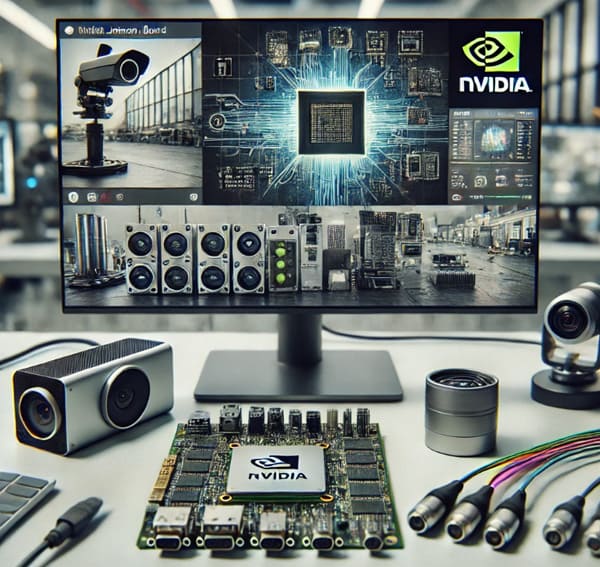
Experts recommend the NVIDIA Jetson Nano for its reliability and performance. It excels in AI applications, making it unique among alternatives. Experts also suggest the Asus Tinker Board for multimedia projects due to its excellent graphics capabilities. Each device serves different use cases, from robotics to media centers.
Rising Stars in the Market
Newer devices like the Pine64 are gaining popularity among tech enthusiasts. They offer features such as expandable storage and better connectivity options, challenging established brands like Raspberry Pi. Future developments may further enhance their capabilities, making them exciting Raspberry Pi alternatives.
Choosing the Right Alternative
Performance Considerations
Processing power matters. Different devices offer varying levels of speed and efficiency. For example, some alternatives might have faster CPUs than Raspberry Pi. RAM and storage options also impact performance. A device with more RAM can handle multiple tasks better. Storage type, like SSD versus SD card, affects data access speed. Benchmarking results show how different devices perform under various loads. These comparisons help you choose the best option for your needs.
Community Support
Community support is crucial when selecting an alternative device. The size and activity level of user communities can vary greatly. Larger communities often provide more resources and troubleshooting help. Online forums and groups are valuable for finding solutions to problems. Active community engagement encourages project sharing and collaboration. This support can make a big difference in your learning process.
Accessory Compatibility
Accessory compatibility plays a key role in project flexibility. Each device has a different range of compatible accessories. For example, some devices work well with specific sensors or cameras that enhance functionality. Popular accessories include displays, cases, and power supplies. Ensuring compatibility allows for easier project expansion.
Specific Use Cases
Each device type has common applications. Some alternatives excel in education settings, while others shine in home automation projects. Examples include building a smart mirror or a simple game console. Understanding these use cases helps you find the right device for your needs.

Best for Media Projects
Media Streaming Needs
Devices like the Raspberry Pi can handle media streaming well. They support various formats, such as MP4, MKV, and AVI. Popular streaming services like Netflix and YouTube work smoothly on these devices. Good network connectivity is also key. Devices with Wi-Fi or Ethernet options enhance streaming performance by reducing buffering.
Video Playback Quality
Video quality matters for a great experience. Many alternatives to Raspberry Pi support high resolutions like 1080p and even 4K. Frame rates of 30fps or higher ensure smooth playback. Hardware acceleration features help in this area, too. Users often note better video quality when using devices that support these features. They enjoy watching movies without annoying lag or stutter.
Audio Output Capabilities
Audio quality is just as important as video. Many devices offer multiple output options, including HDMI and optical audio. Compatibility with formats like Dolby Digital enhances sound quality. Some devices come with unique audio features that improve the listening experience. For example, certain models support surround sound setups, which allows users to feel immersed in their favorite shows and movies.

Ideal for Hobbyists
Ease of Use
Many devices similar to Raspberry Pi are designed with hobbyists in mind. User interfaces are often simple and friendly. Setup processes usually require minimal steps, making them accessible for beginners. Pre-installed software is common, which helps users get started quickly. Feedback from users shows that the learning curve varies. Some find it easy, while others may need extra time.
Versatility in Projects
These devices support a wide range of projects. The possibilities are endless, from building a home media server to creating a smart mirror. Different operating systems can enhance project options. For example, using Linux or Windows IoT can open new doors for creativity. Both hobbyists and professionals can adapt these devices to their needs. This flexibility makes them appealing to a lot of users.
Availability of Tutorials
A wealth of tutorials is available for these devices. Many resources offer clear, step-by-step instructions. Users can find videos and guides on platforms like YouTube and dedicated forums. The quality of these educational resources often meets the needs of both beginners and advanced users. Comprehensive tutorials help everyone learn at their own pace.
Power Efficiency
Low Power Consumption
Devices like Raspberry Pi stand out for their low power consumption. Many alternatives also have appealing energy efficiency ratings. For example, some models use less than 5 watts of power. This low usage can significantly lower long-term operational costs.
In projects where devices run continuously, energy savings add up quickly. Consider a home automation system that runs 24/7. Using a low-power device means lower electricity bills over time.
Battery-Powered Options
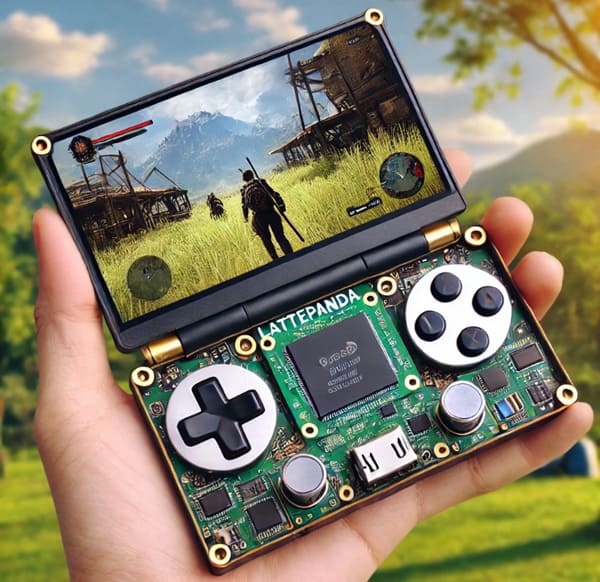
Certain devices offer battery-powered capabilities. This feature enhances portability and allows users to work from anywhere. Devices like the Odroid Go or the LattePanda can run on batteries.
Battery life is crucial in project execution. A device with a long battery life means less downtime. For instance, using a portable gaming console during a camping trip shows how these devices excel compared to traditional ones that need constant power.
Energy-Saving Features
Many devices come with built-in energy-saving features. These features minimize energy usage without sacrificing performance. Users can adjust settings to optimize power consumption.
These options are important for eco-conscious users. They help reduce carbon footprints while enjoying technology. Features like automatic sleep modes or adjustable brightness settings contribute to overall efficiency.
Final Remarks
Raspberry Pi is super popular, but there are tons of alternatives out there. Whether you're into media projects or just tinkering for fun, you have options that fit your needs. From power efficiency to ease of use, the right device can make all the difference.
Don't hesitate to explore these alternatives. Each has its perks, and you might find something that suits your project even better than Raspberry Pi. So, get out there and start experimenting with these devices. Your next great project is just around the corner!
Frequently Asked Questions
What are some popular alternatives to Raspberry Pi?
Popular alternatives include Arduino, Banana Pi, Odroid, and BeagleBone. Each offers unique features for different projects, from basic computing to advanced robotics.
Can I use Raspberry Pi alternatives for media projects?
Yes, many alternatives, like Odroid and NVIDIA Jetson Nano, are excellent for media projects. They support high-definition video playback and can effectively run media center software.
How do I choose the right alternative device?
Consider what you need it for. Consider processing power, connectivity options, and community support. Arduino is great for DIY projects; for multimedia tasks, consider Odroid.
Which device is best for hobbyists?
Hobbyists often favor the Arduino family due to its simplicity and extensive community resources. It’s perfect for beginners wanting to learn electronics.
Are there power-efficient alternatives to Raspberry Pi?
Yes, devices like the Odroid XU4 and Pine64 offer good performance with lower power consumption. They are ideal for projects where energy efficiency is crucial.
Is there a significant price difference between these alternatives?
Prices vary widely. Basic models like the Arduino start at around $20, while more powerful options like the NVIDIA Jetson can cost more than $100. Assess your budget before choosing.
Can I run Linux on Raspberry Pi alternatives?
Most alternatives support Linux or similar operating systems. For example, Odroid and BeagleBone can run various Linux distributions, making them versatile choices for developers.


Leave A Comment