 Skip to content
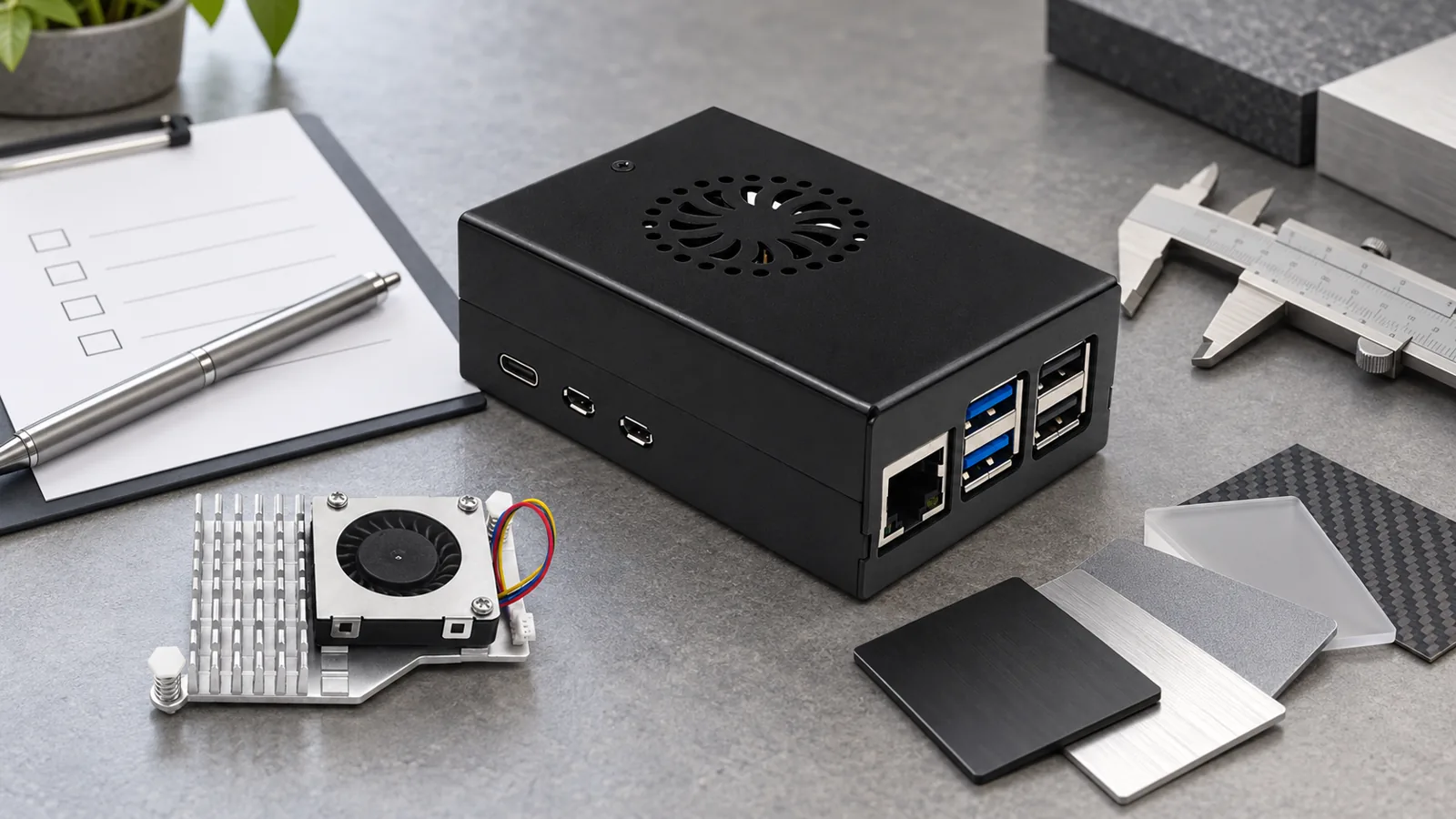
A quote request for a custom Raspberry Pi 5 case often starts with a short message: “Can you make this case with our logo and one extra opening?” That is a fair starting point, but it is not yet enough to protect the buyer from a vague comparison. My first concern is not whether a supplier can say yes. It is whether the request clearly defines the Pi 5 configuration that must fit, cool, connect, and be packed.
This guide explains what to prepare before requesting a quote for a custom Raspberry Pi 5 case. It is aimed at resellers, project buyers, and small brands who need a practical case decision, not an invented promise about price, MOQ, or lead time.
Start With a Quote Brief That Can Be Checked
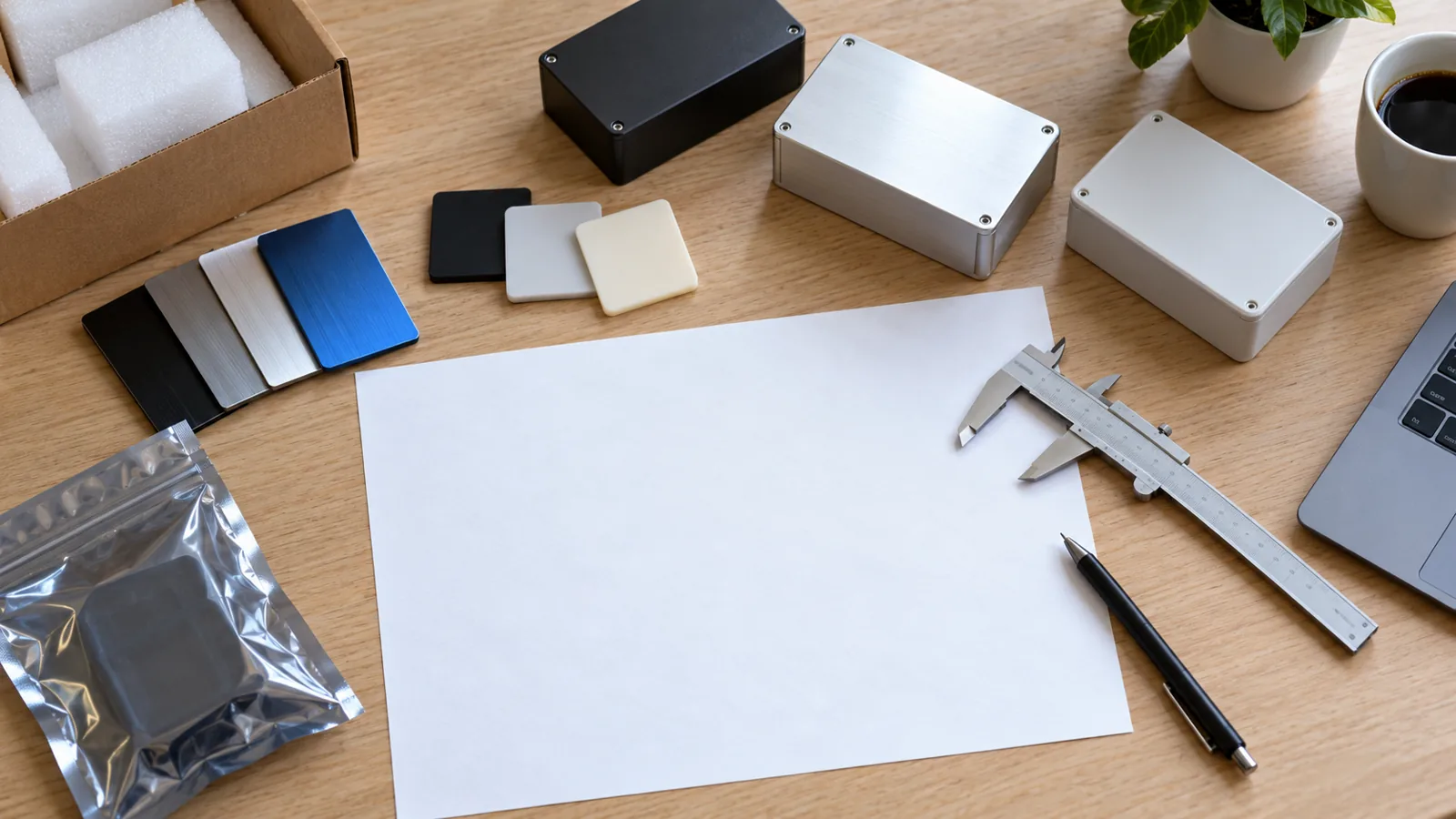
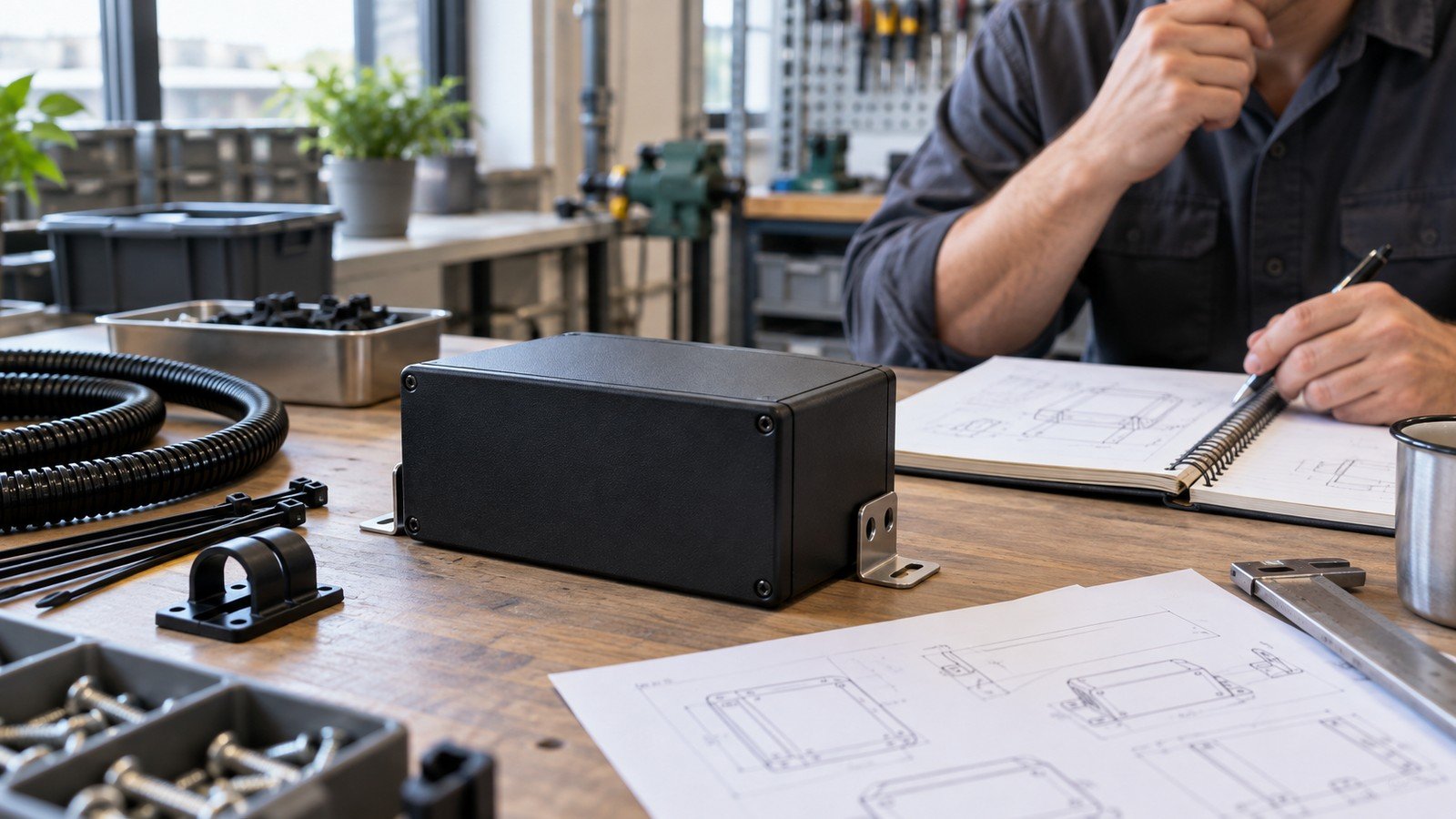
A useful brief separates what is known from what still needs confirmation. I would rather receive a simple board-and-accessory list, a few photos or a drawing, and a clear use case than a long email full of assumptions. That gives the supplier something real to check and gives you a better basis for comparing replies.
- State the Raspberry Pi model: Raspberry Pi 5, not a Pi 4 case described as “similar”.
- List every fitted item: HAT, M.2/PCIe adapter, fan, heatsink, camera/display cable, storage, and any cable that remains connected in use.
- Say where it will operate: desktop, kiosk, cabinet, retail kit, edge device, or another environment that changes access and service needs.
- Attach dimensions or a drawing for non-standard parts, and identify which details are fixed versus preferred.
A product photo is helpful, but it is not a clearance drawing. If an add-on sits above, below, or beside the board, ask for that fit to be confirmed specifically.
Choose the Case Architecture Before Discussing Cosmetics
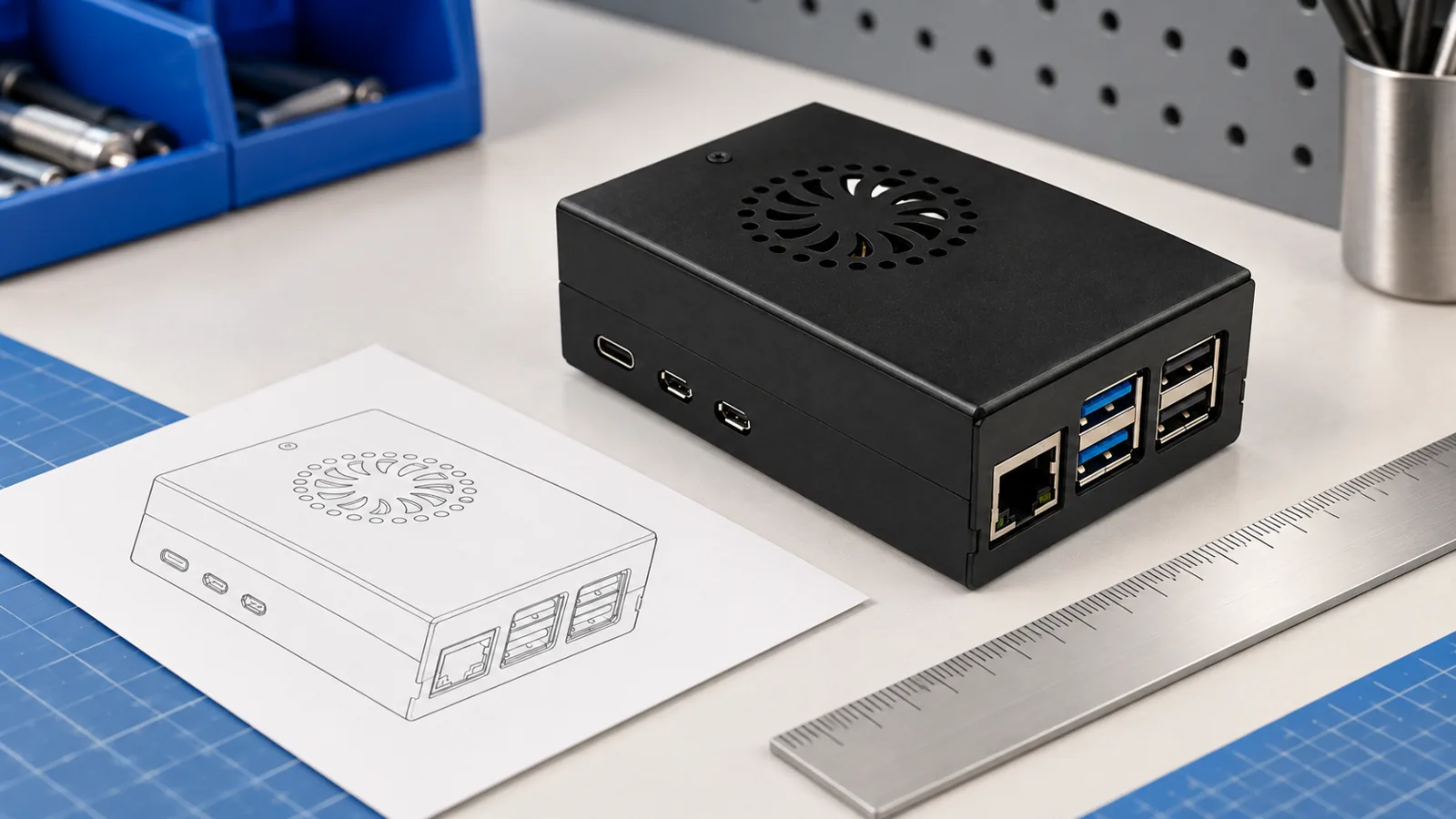
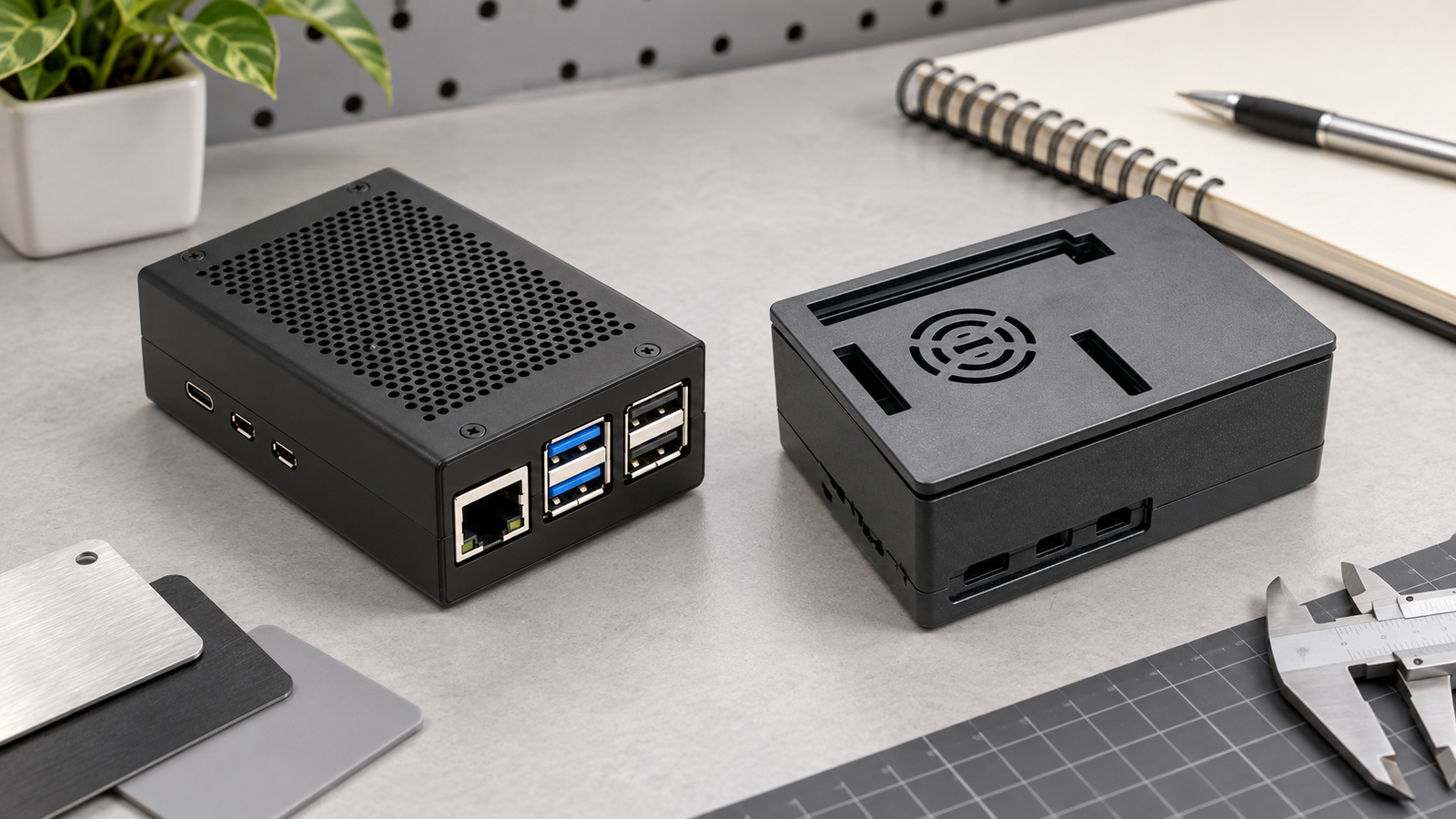
Finish, colour, and logo placement are easier conversations after the case architecture is right. For a standard board build, the Raspberry Pi 5 case range is a sensible place to compare available directions. An enclosed metal design, a ventilated fan-ready design, and a plastic active-cooler design answer different service and cooling questions; they are not interchangeable shells.
For example, an aluminum Pi 5 metal case option may be a relevant starting point when the buyer needs a metal enclosure format, while an ABS active-cooler case option is a different route when the proposed build calls for active cooling. I look for the design family first because changing the base architecture late can undo an otherwise tidy customization request.
| Decision to lock | What to send | Why it changes the quote review |
|---|---|---|
| Base case type | Link, photo, or sample reference | Establishes the starting geometry and product family |
| Required access | List of ports, GPIO, microSD, camera/display, and service access | Prevents an opening request from being interpreted too broadly |
| Added hardware | Part number, drawing, or measured envelope | Confirms whether the selected case architecture is appropriate |
| Exterior priority | Finish, logo area, mounting, or packaging need | Keeps cosmetic requests secondary to fit and function |
Send the Board, Accessory, and Access Requirements Together
The Pi 5 is not just a board outline. Official documentation lists USB-C power, dual micro-HDMI, USB, Gigabit Ethernet, a 40-pin header, a PCIe connector, camera/display transceivers, and a fan connector. That does not mean every project must expose all of them. It means the quote request should say which ones must remain accessible and which accessories change the clearance.
Here is the practical question I use: what has to be plugged in, removed, or serviced after the case is closed? A system integrator may need a cable route and service access; a retail kit may need a simple user-facing set of openings; a development build may need GPIO or camera/display access. Send an annotated photo if possible. Do not rely on a generic “Pi 5 compatible” statement when a HAT or PCIe/M.2 adapter is part of the build.
Describe Cooling and Power as Operating Conditions, Not Marketing Claims
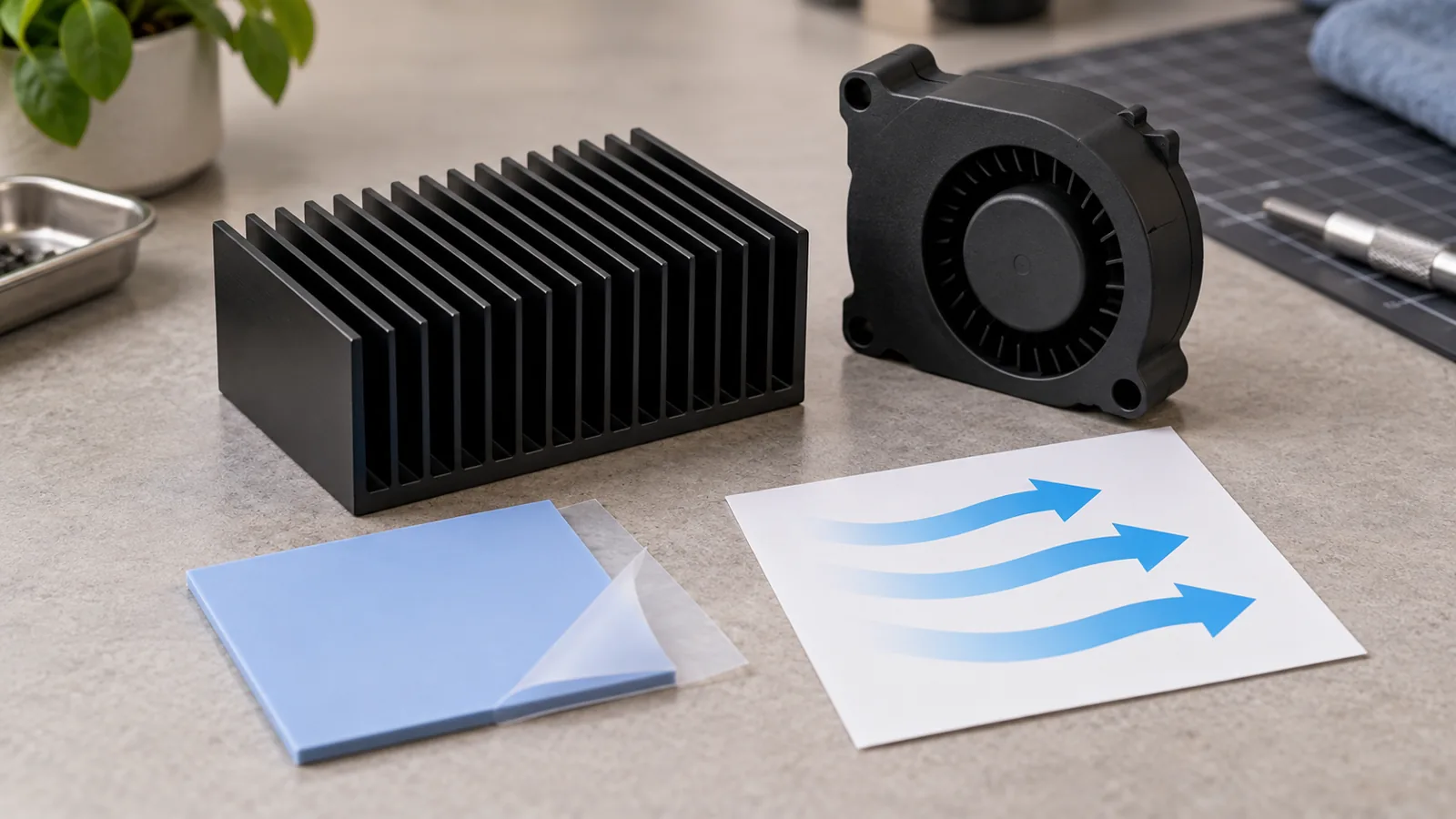
Cooling deserves its own line in the brief. Raspberry Pi states that cooling is optional for normal use, but sustained heavy loads can thermal-throttle; the right approach therefore depends on workload, airflow, ambient conditions, and the chosen hardware. I do not treat “needs good cooling” as a complete requirement, because it does not identify the intended cooler, enclosure space, noise preference, or duty cycle.
State whether you are supplying a fan or heatsink, whether the selected case must accommodate it, and whether the unit will run sustained workloads. Also list the intended power arrangement. Raspberry Pi recommends a high-quality 5 V 5 A USB-C supply for Pi 5; if peripherals are part of the build, make that part of the quote conversation rather than an afterthought. A verified Pi 5 power-supply option can be reviewed alongside the case, but it does not replace project-level confirmation.
Make Light Customization Specific and Approve the Pack-Out

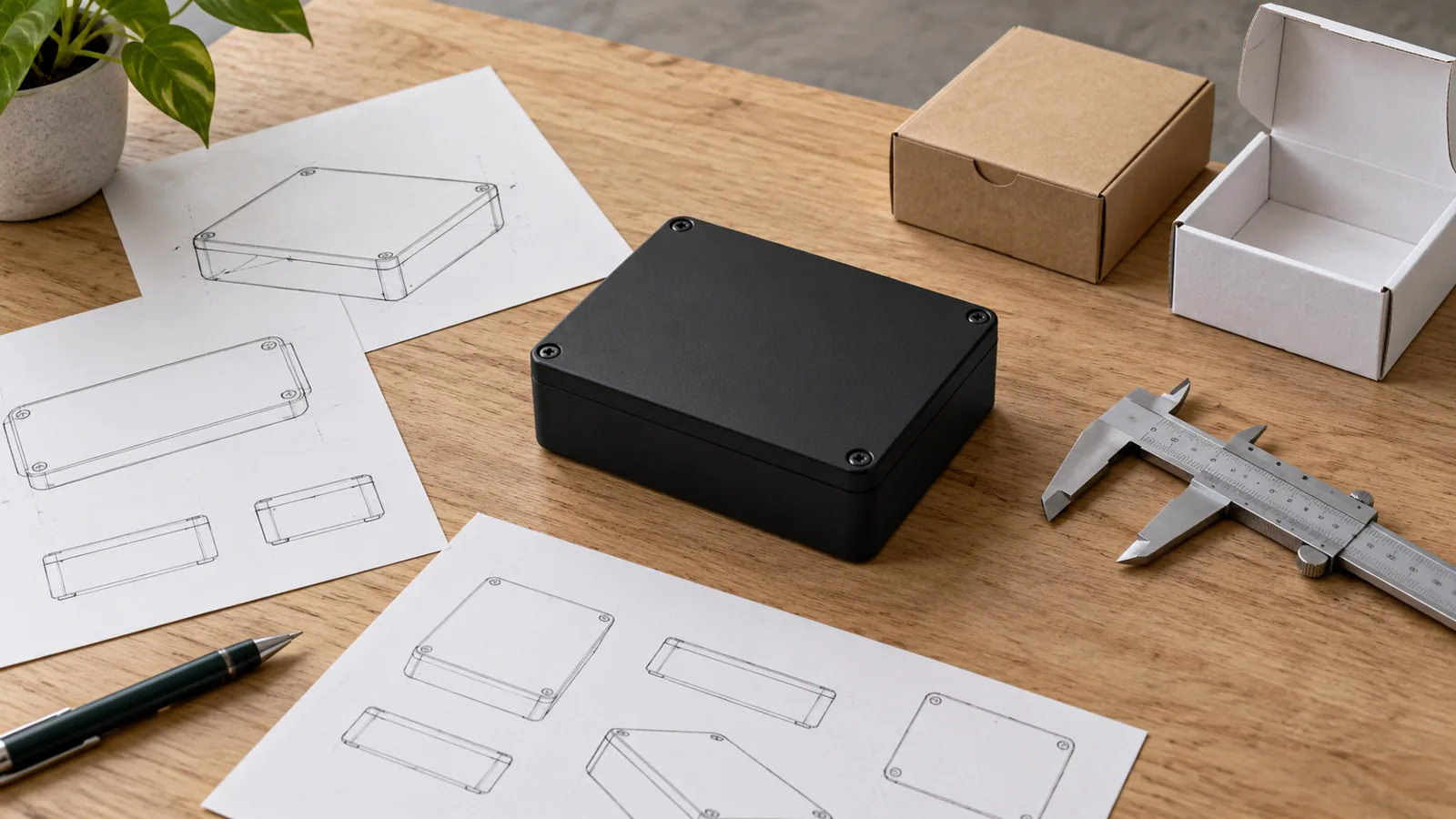
“Custom” can mean a logo, a colour, a packaging change, a mounting detail, or a minor opening change. Those are different requests with different evidence needs. My advice is to describe the requested change in one sentence, then attach the file, dimension, location, and approval criterion that make it unambiguous. If the request changes an opening or a mounting feature, show the affected side and the part it must clear.
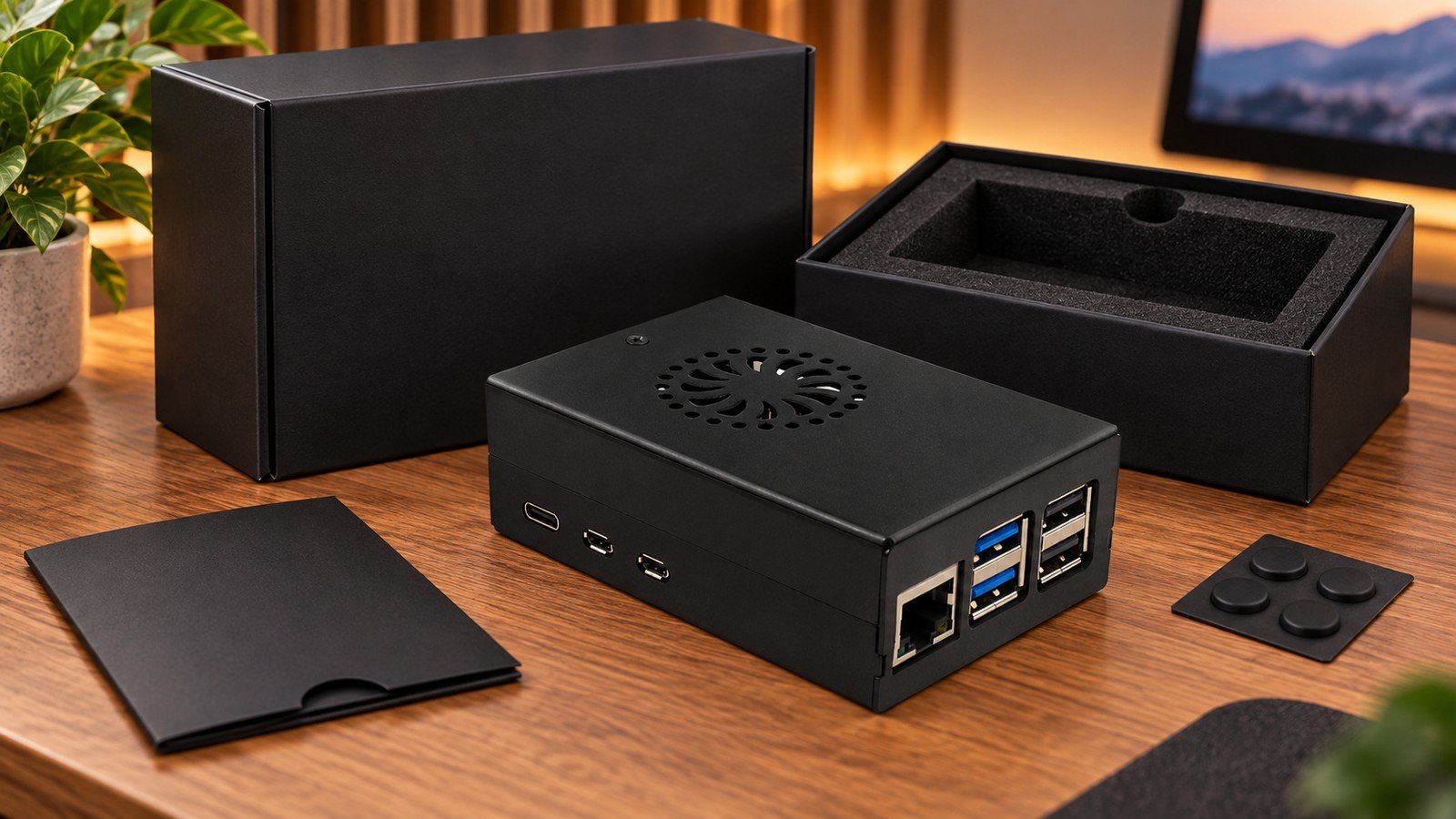
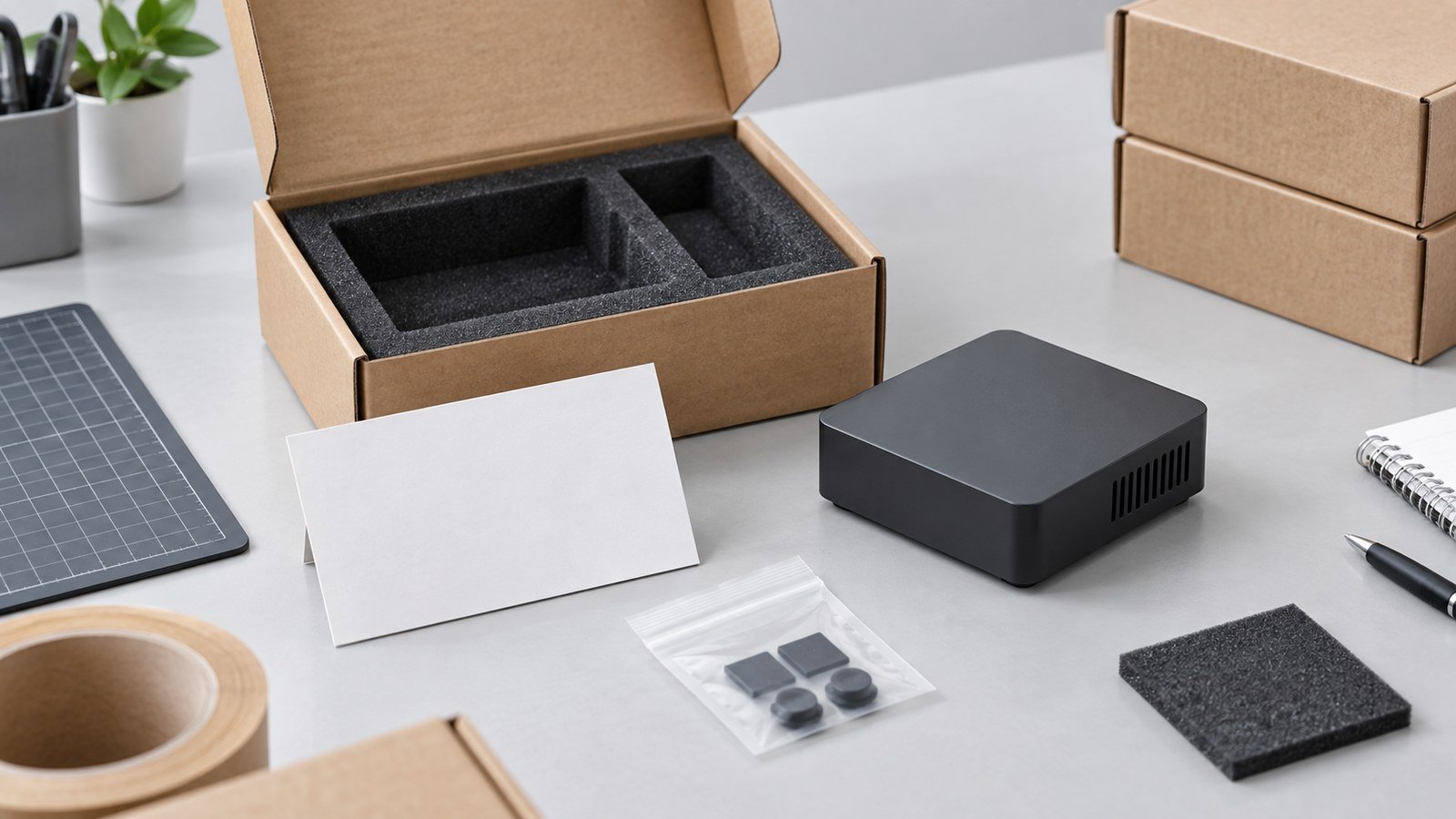
Packaging should be part of the same approval loop for a resale or project supply order. Tell the supplier whether the case ships alone or with accessories, whether parts need separation, and what customer-facing information is expected. We should not assume carton quantity, label content, certification, or packing method from a product photo. Confirm those points in the quote or sample stage.
Frequently Asked Questions
Do I need a finished CAD drawing before requesting a quote?
No. A base product reference, a list of additions, annotated photos, and key dimensions can be enough for an initial fit discussion. A drawing becomes more important when an opening, mounting feature, or non-standard accessory clearance must be confirmed.
Can a Raspberry Pi 5 case quote cover an M.2 or HAT build?
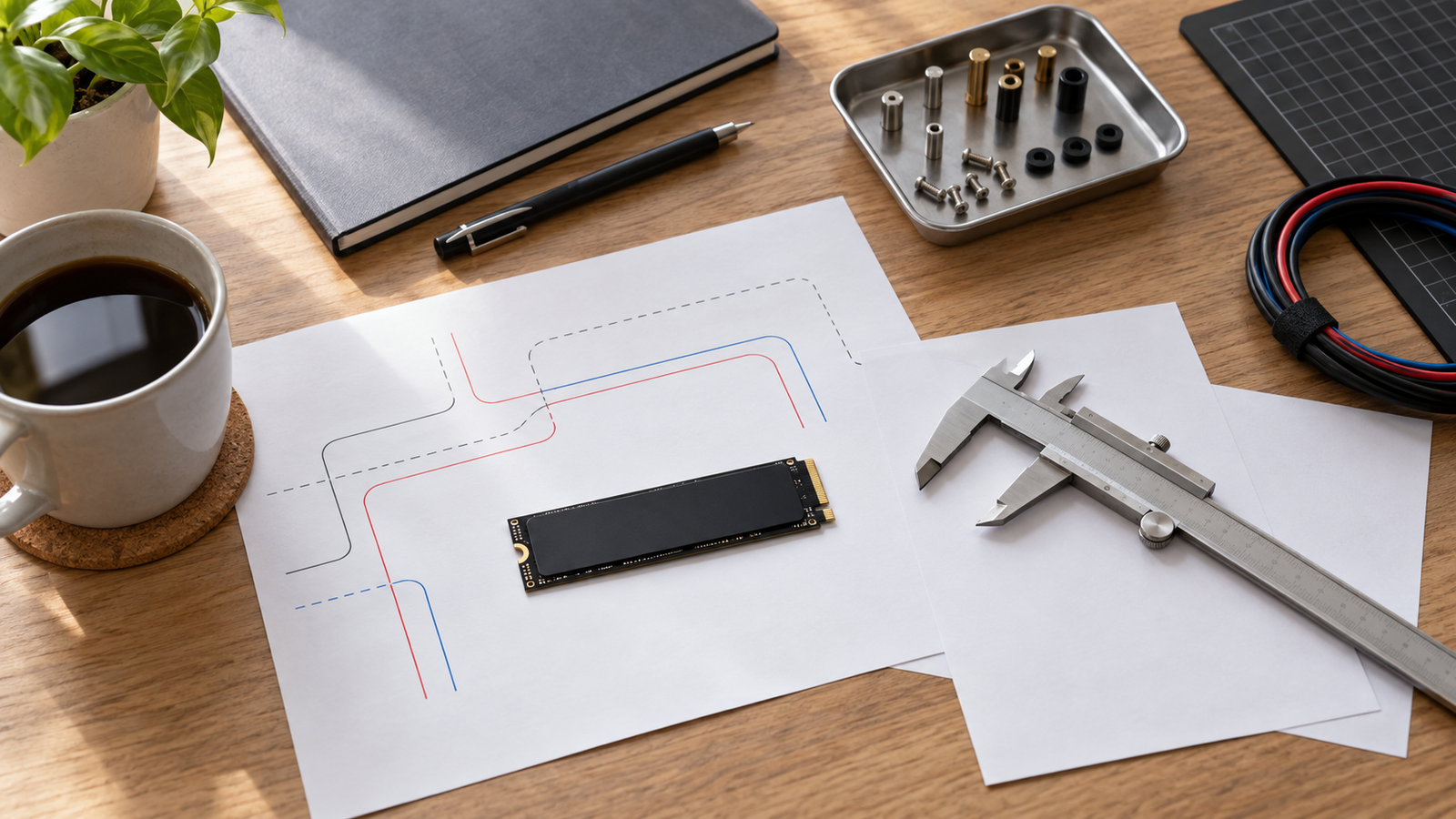
It can start the discussion, but send the exact adapter or HAT information. The Pi 5 board exposes PCIe through an adapter path; case clearance and lid fit depend on the particular accessory arrangement and require confirmation.
Should I ask for active cooling in every Pi 5 case?
Not automatically. Match cooling to the workload and environment, then identify the planned cooler and clearance. Raspberry Pi notes that ordinary use may not require cooling, while sustained heavy workloads may make thermal management important.
Request a Raspberry Pi 5 Case Quote With the Right Inputs
Send your Pi 5 board configuration, required access points, cooling and power plan, requested modifications, target use, and packaging needs. We can then review the closest case path and identify the fit details that still need confirmation.


Leave A Comment