 Skip to content
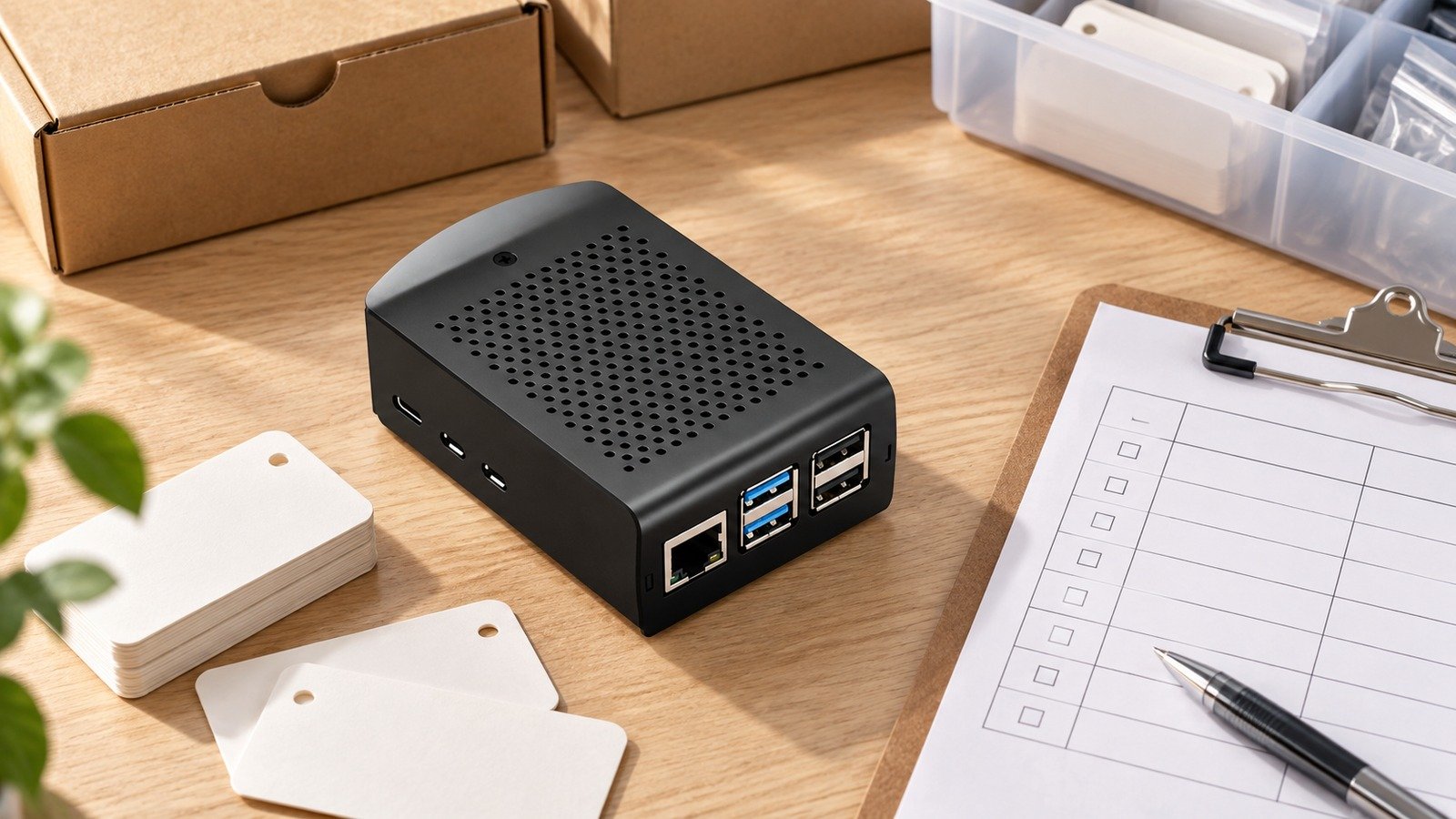
A distributor can create a costly support problem before the first wholesale Raspberry Pi 5 cases leave the warehouse: approving a case from a single image and calling every variation the same SKU. I look at the case as part of the delivered configuration. It affects which board generation is supported, how ports and accessories are accessed, what cooling is actually included, and what a reseller can safely promise in a listing.
For wholesale Raspberry Pi 5 cases, the sensible starting point is a controlled range, a configuration-level approval check, and a receiving record that catches substitutions before stock is released. This is less glamorous than choosing a finish, but it is where distributors protect their margin and their support team.
Start with a controlled Pi 5 case range, not one generic wholesale SKU
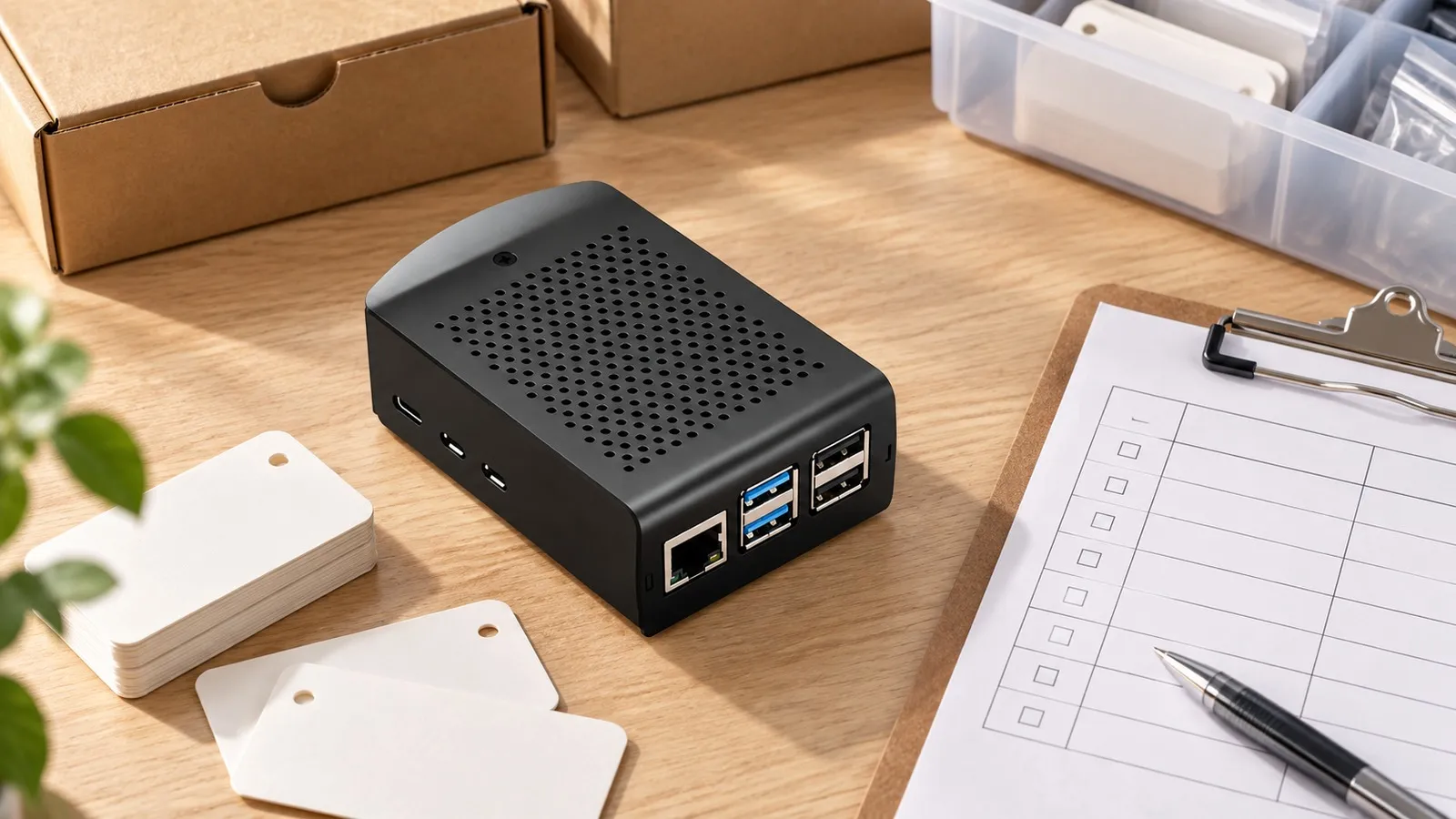
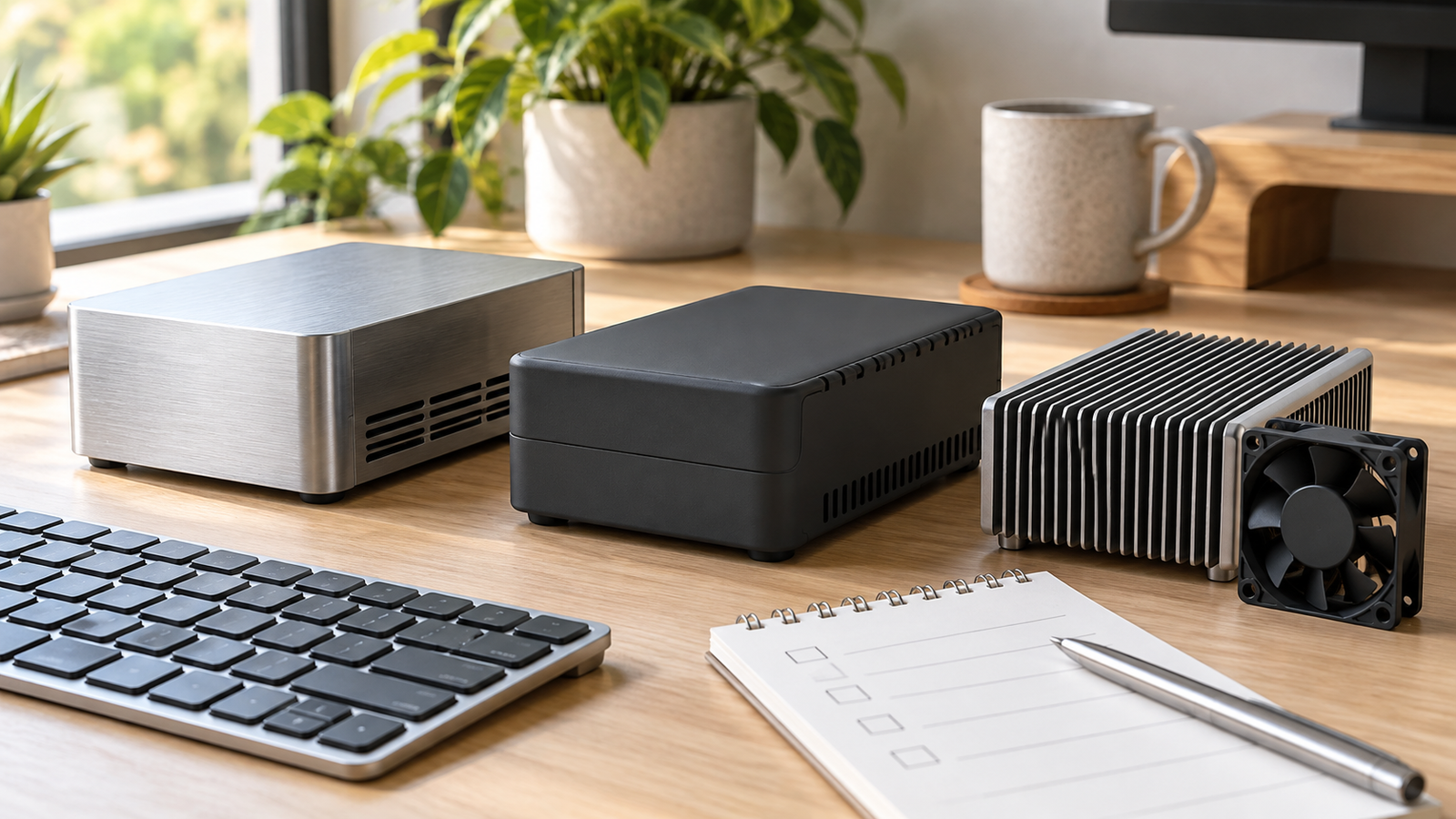
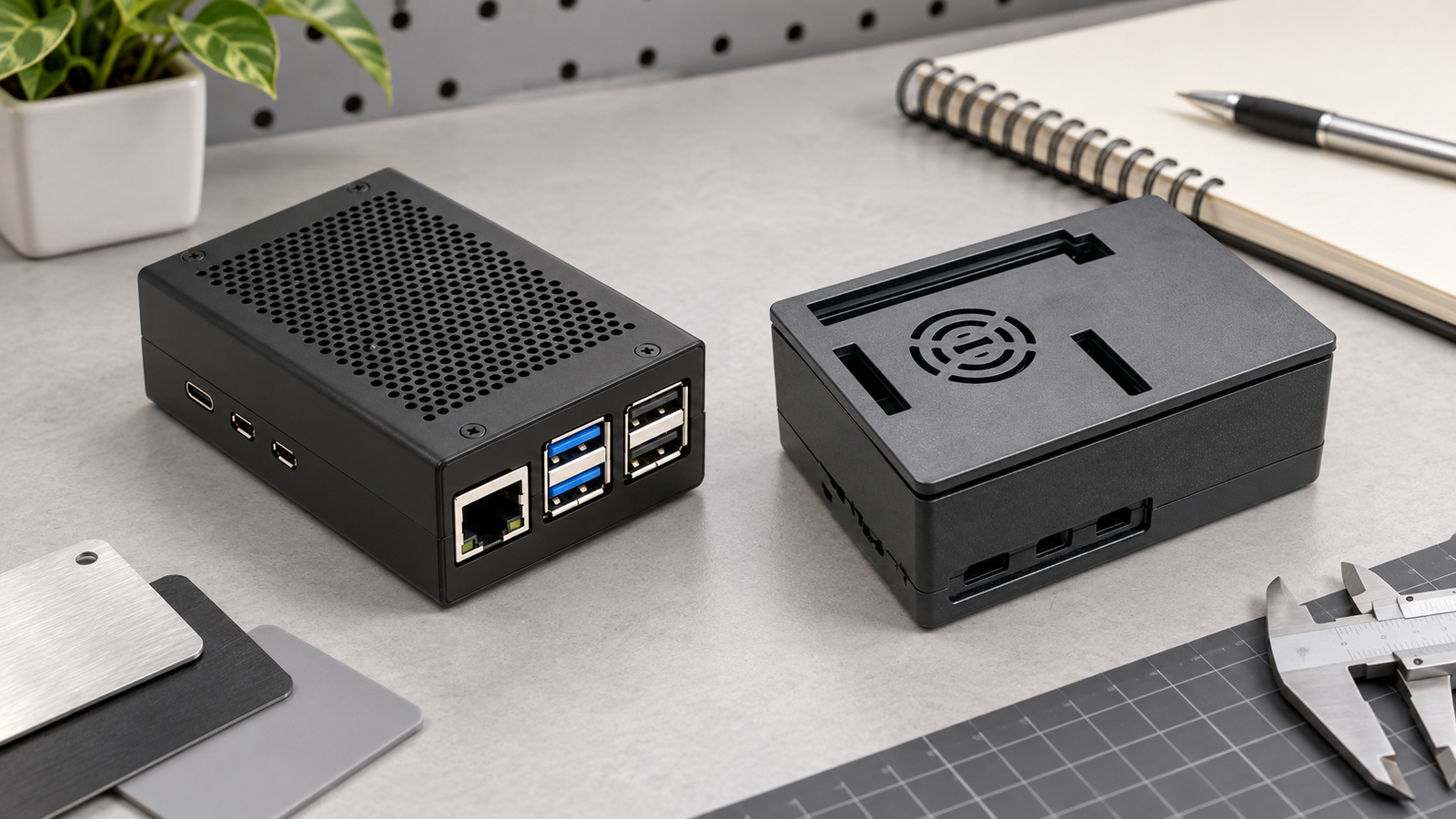
The first question is not “Which case should we buy?” It is “What job does each approved case architecture perform?” A broad title such as “Pi 5 case” can hide differences in shell construction, cooling approach, access, included parts, and accessory clearance. Those differences matter once several resellers are relying on the same catalogue data.
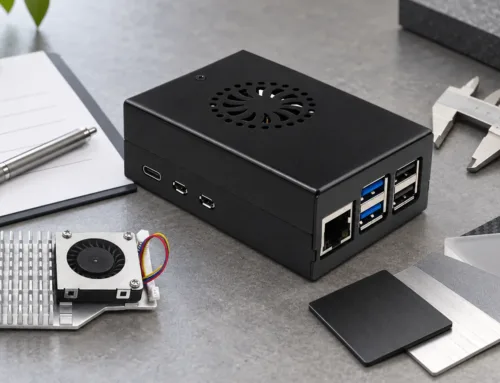
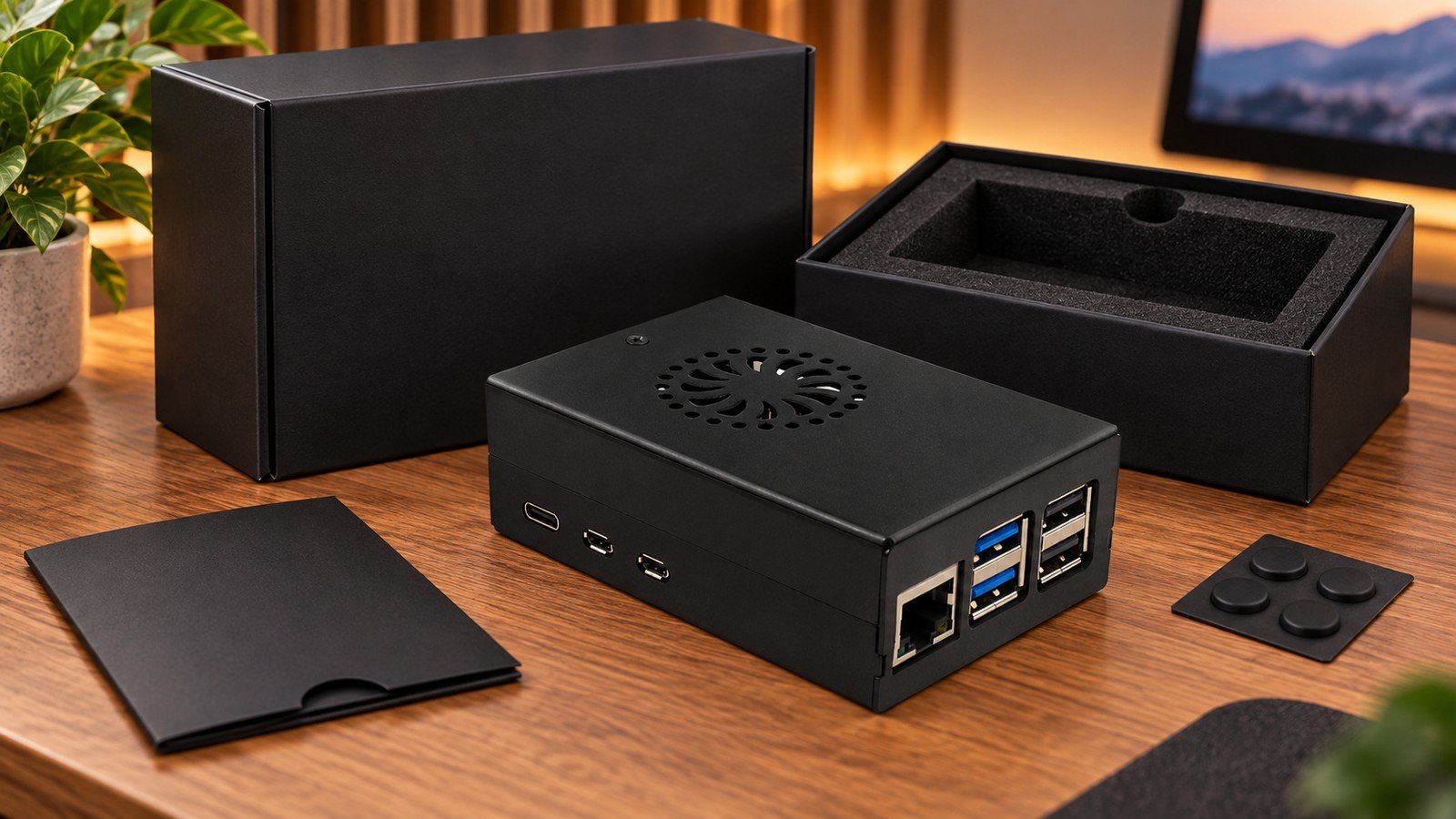
Begin with the Raspberry Pi 5 case range, then assign a clear purpose to each candidate. For example, an aluminum Pi 5 heatsink-case option and an ABS Pi 5 active-cooler case option may belong in separate approval paths. The page titles help identify starting points; they do not confirm the final stocked configuration.
| Distributor SKU role | Approval question | Keep separate from |
|---|---|---|
| Standard desktop case | Which Pi 5 board, cable exits and service access are intended? | Builds with unconfirmed add-on clearance |
| Cooling-oriented case | Which fan or heatsink parts are included, and what does the assembled stack clear? | Passive-looking products with no approved cooling scope |
| Bundle-ready case | Which power, cable, insert and accessory items belong to this exact line? | Look-alike substitutions and mixed parts |
My practical rule is simple: if a change would alter a product photo, included-parts list, compatibility note, or support answer, it deserves its own SKU or a clearly controlled variant record.
Approve the full configuration, not just the board footprint
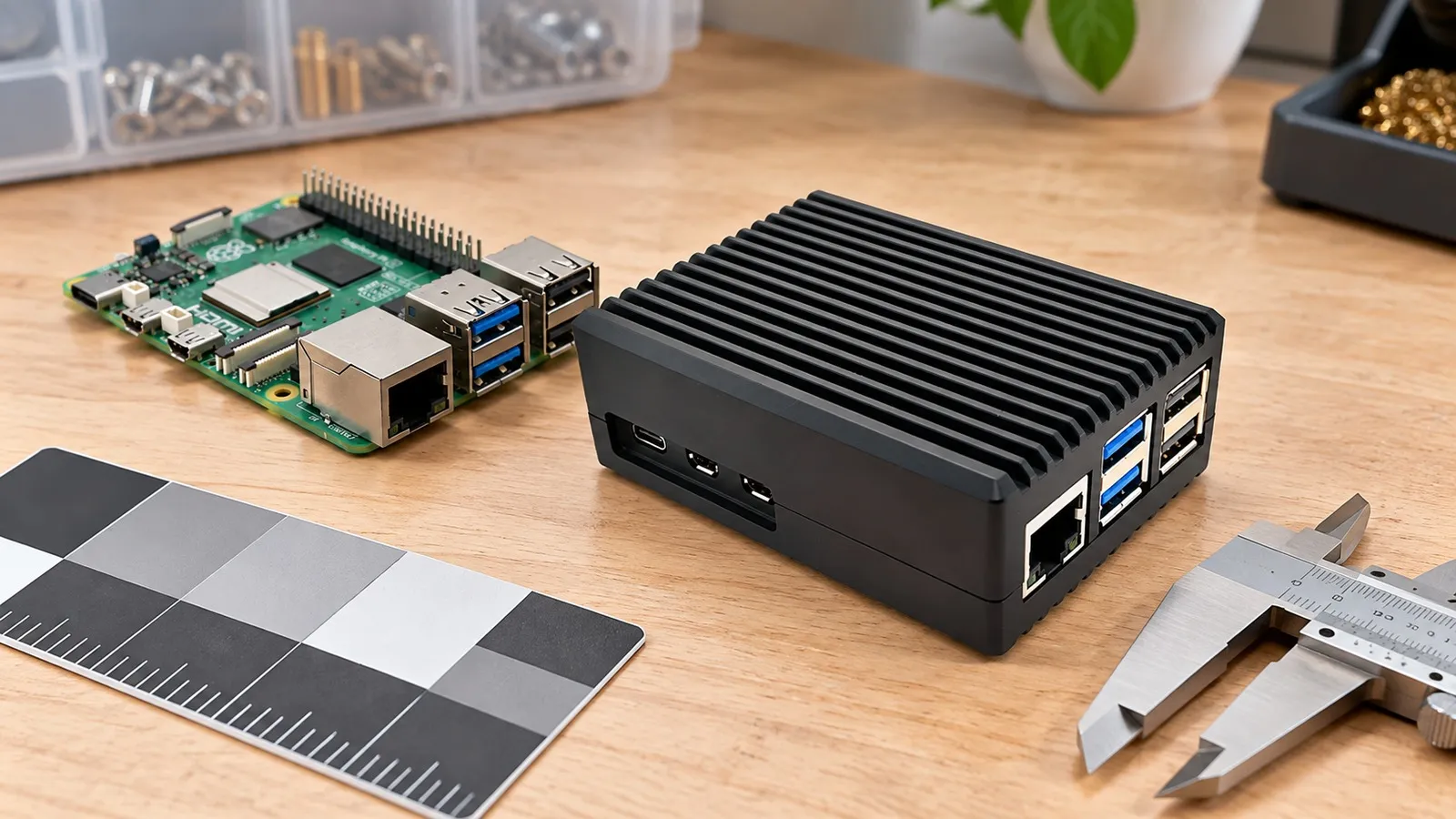
Raspberry Pi 5 has dual micro-HDMI outputs, USB ports, Gigabit Ethernet, USB-C power, a 40-pin header, PCIe, and camera/display connections. Those facts describe the board, not a third-party case. Raspberry Pi also states that Pi 5 will not fit the Pi 4 Case. That is why I would not let “Pi compatible” stand in for a Pi 5 approval.
Put the complete intended assembly on the approval sheet: board generation, power plug and cable bend, display or camera routing, GPIO access, cooling parts, HAT or storage adapter, and any mounting hardware. A case can accommodate the bare board yet fail the real bundle because an add-on raises the height, a connector needs room, or a removable cover changes service access.
Choose a cooling architecture before writing the listing
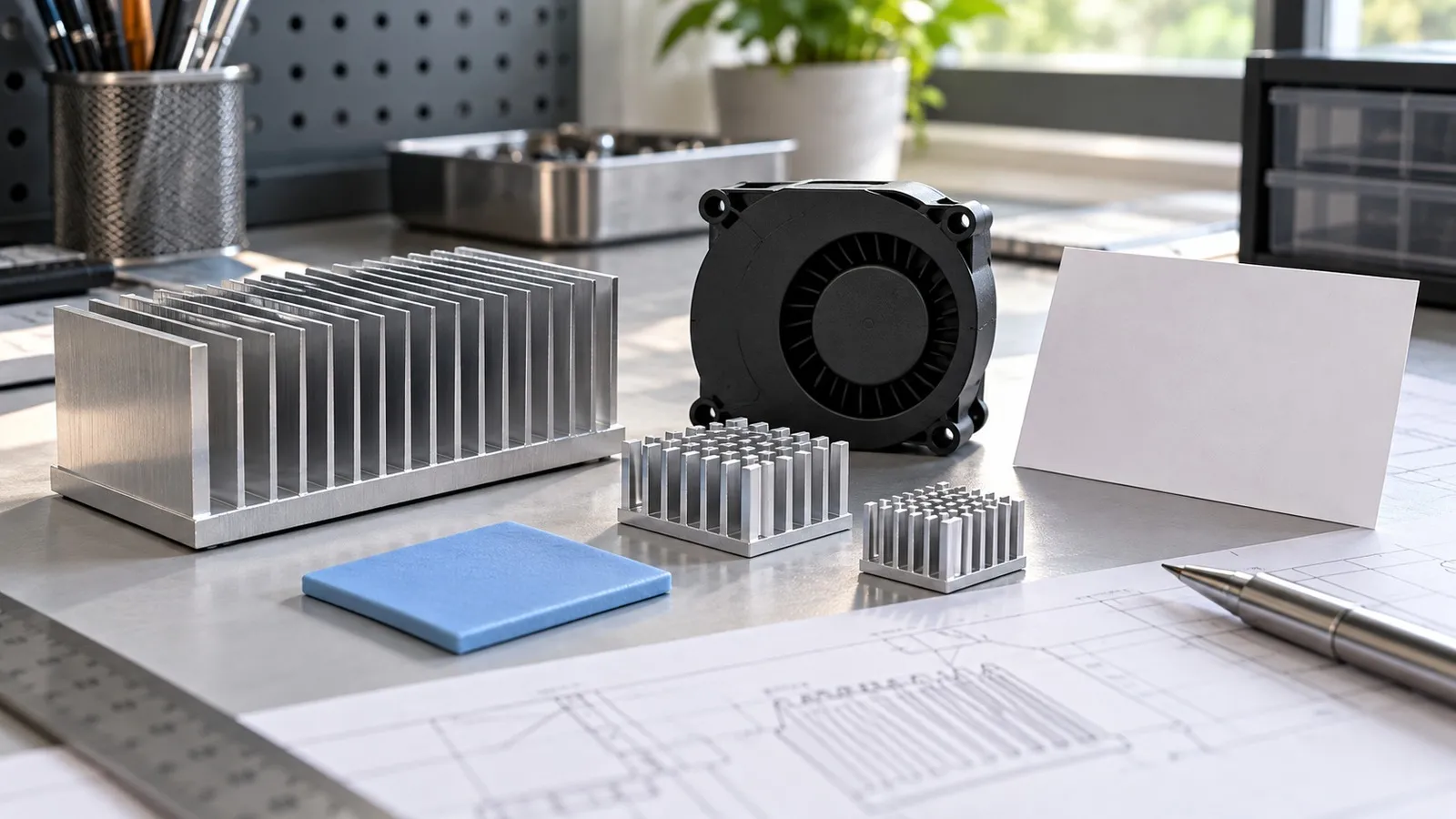
“With cooling” is not a useful distributor specification. Raspberry Pi says cooling is optional for normal use, while sustained heavy workloads can lead to thermal throttling without active cooling. That is a decision boundary, not a temperature promise for every case on a wholesale list.
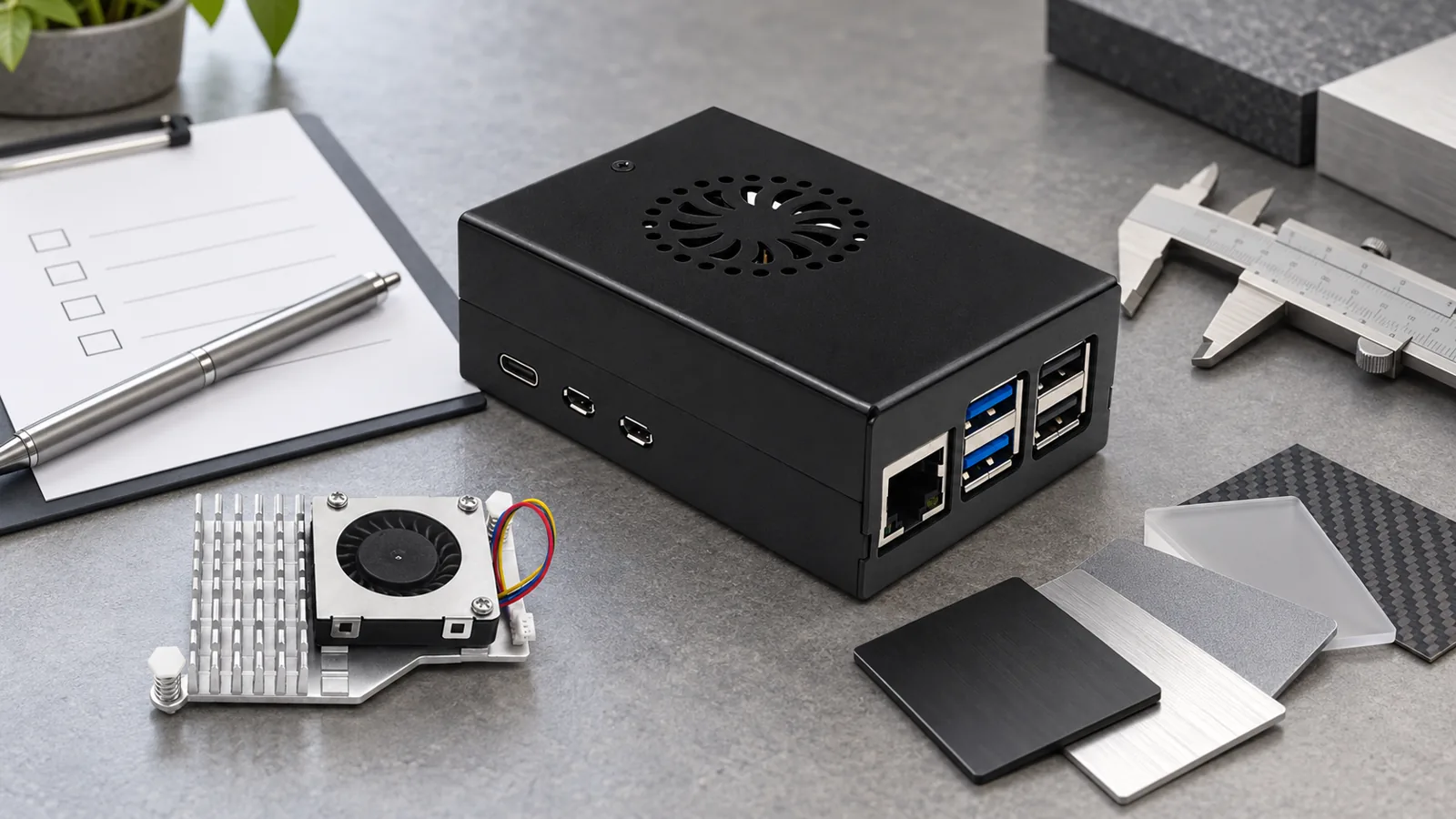
I would separate three questions: what is physically in the box, what clearance the cooling arrangement needs, and what workload the customer expects. An active-cooling style SKU may need fan, thermal-interface and cable-routing details recorded; a heatsink-style SKU needs its own fit and assembly review. If the exact finished configuration has no verified test evidence, use conditional language rather than publishing a performance number.
That restraint makes the catalogue more useful. It lets a reseller match an application to an approved architecture without mistaking a ventilation opening or a fan-shaped image for a guaranteed thermal result.
Separate accessory and power assumptions from the case SKU

A case order becomes harder to support when power supplies, cables, fans, thermal pads and inserts are treated as invisible extras. I prefer each commercial line to state what is included and what is merely compatible subject to confirmation. It is the cleanest way to avoid a product image becoming an accidental promise.
For Pi 5, Raspberry Pi recommends a high-quality 5 V 5 A USB-C supply, and its guidance notes that 5 V 3 A limits peripherals to 600 mA. A listed Pi 5 power-supply option can be part of the sourcing conversation, but plug region, cable clearance and complete peripheral load still belong on the final brief.
Keep an included-parts matrix with the case identity, cooler/fan state, thermal items, power item, cable type, leaflet revision and packaging revision. When one of those changes, review the SKU description before inventory is released.
Make packaging and incoming inspection part of the order

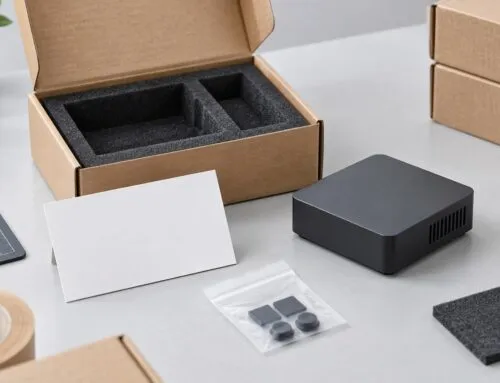
A distributor needs a receiving check that catches a changed configuration before it reaches a reseller. In my view, the valuable control is not a complicated inspection system; it is a short repeatable record that lets the warehouse tell one approved line from another without relying on memory.
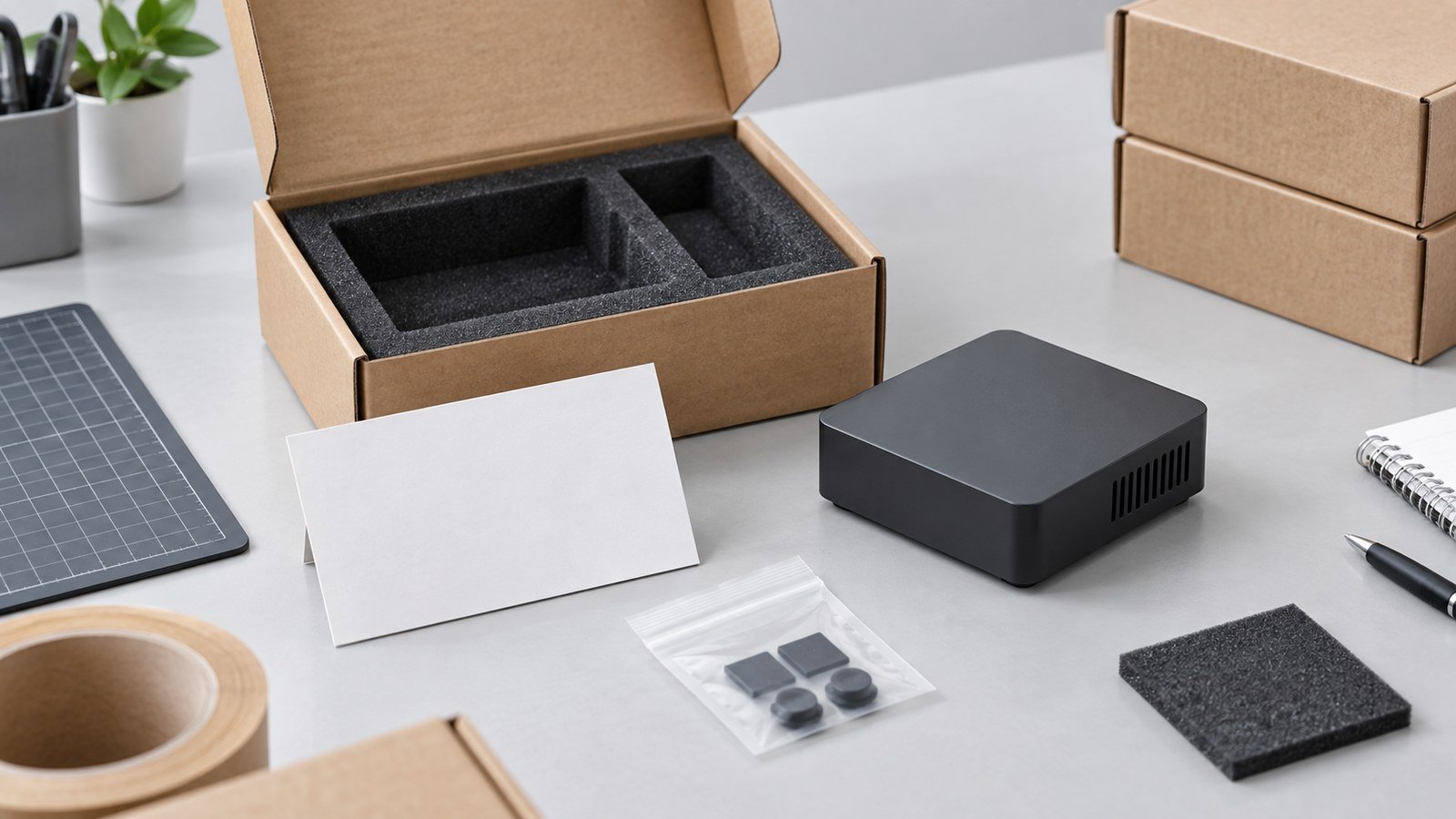
Check carton label and SKU, external case architecture, finish or color reference, included cooling parts, opening/access needs relevant to the approved build, insert revision, and the exact included-parts list. If a received product has a changed opening, fan, thermal part, insert or unspecified accessory, hold it for review rather than silently releasing it under the old listing.
That approach also respects the boundary between a product image and a product claim. A distributor should not add certification marks, ingress statements, material grades, cooling figures or “official” wording unless those facts have been independently confirmed for that precise line.
What should a distributor ask before placing a wholesale order?

Can one Pi 5 case cover every distributor bundle?
Usually not. Power, cable exits, cooling parts, HATs, storage adapters, GPIO access and service needs can change the configuration. Keep special assemblies separate until fit is confirmed.
What should be confirmed before a listing says “Pi 5 compatible”?
Confirm the board generation, the exact case line, required access and the intended accessory stack. Compatibility with the bare board is not enough for a bundle claim.
Should cooling claims appear on the carton?
State the included verified cooling hardware. Avoid a thermal-performance result unless the exact finished configuration has supporting evidence.
Send a fit-confirmation brief before committing to stock

Before I would recommend a wholesale case line, I would ask for one short fit brief: Pi 5 board and intended assembly, required port and GPIO access, add-on boards, cooling approach, power scope, case finish, packaging or branding requirements, destination market, and quantity. It is enough to expose the right technical questions without inventing a commercial term.
Send that information before committing to photography, listing copy, or a deep stock order. We can then identify the closest product path and the points that still need sample-level confirmation.
Share your Pi 5 configuration, intended accessories and packaging requirements for a distributor-level fit review.
Leave A Comment