 Skip to content
Private label work gets risky when a reseller treats the case, carton and listing as three separate decisions. I see them as one controlled offer: if the approved sample, included parts and wording do not agree, the brand owns the confusion after launch. For private label Raspberry Pi 5 cases, the practical task is not to make a generic enclosure look branded. It is to release a defined Pi 5 configuration that a customer can identify, assemble and support without guessing.
This guide is for resellers who want a sensible approval path before committing artwork or stock. It does not assume a universal case fit, a thermal result, a MOQ or a lead time. Those points depend on the exact case, accessories and commercial brief.
Start with a private-label SKU, not a cosmetic case choice
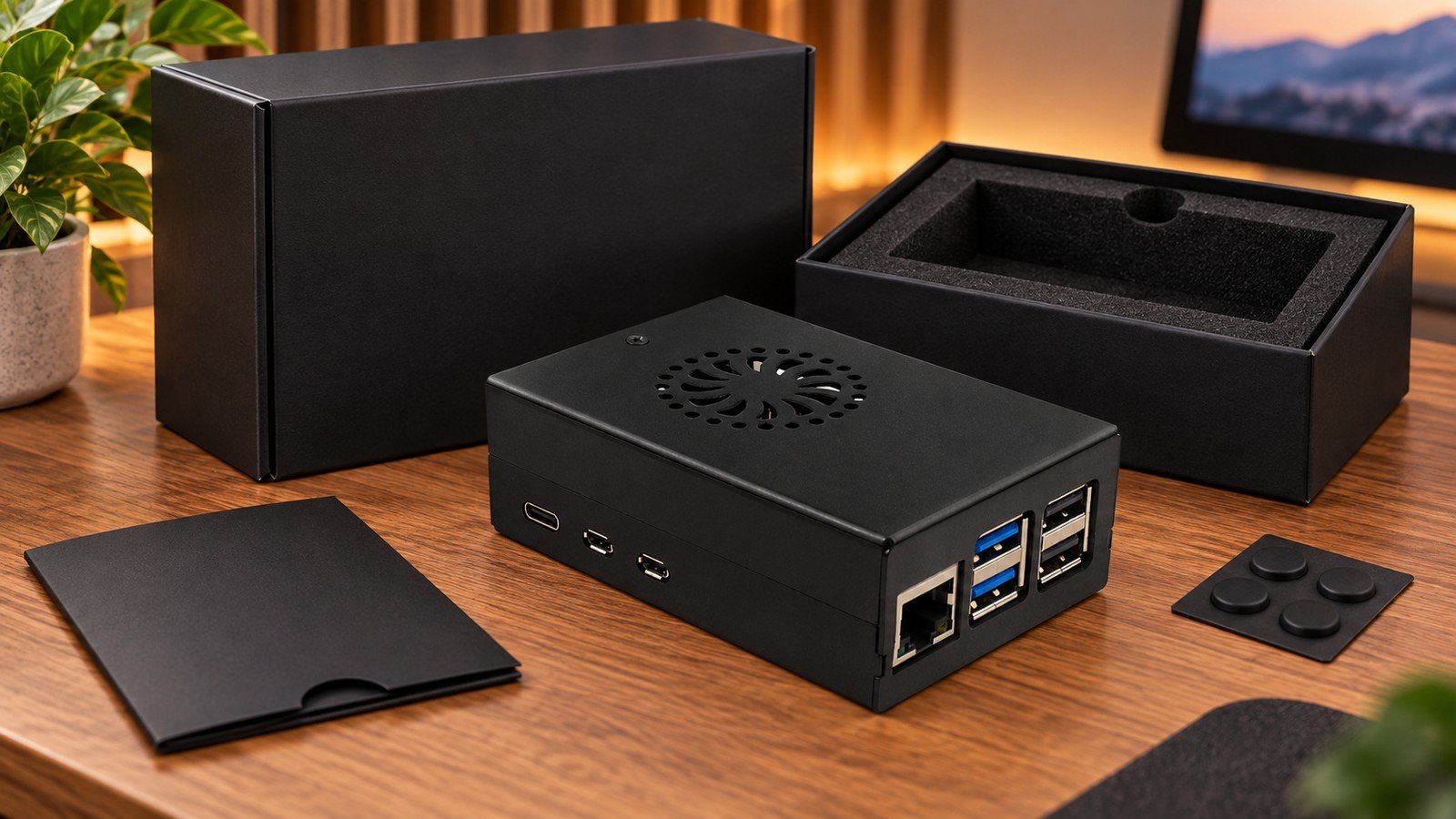
The first useful decision is what each SKU is meant to do. A standard desktop build, a cooling-oriented configuration and a build with extra expansion clearance should not quietly share one vague “Pi 5 case” listing. In my view, a private label becomes credible when each SKU has one controlled bill of materials, one approved assembly and one clear customer promise.
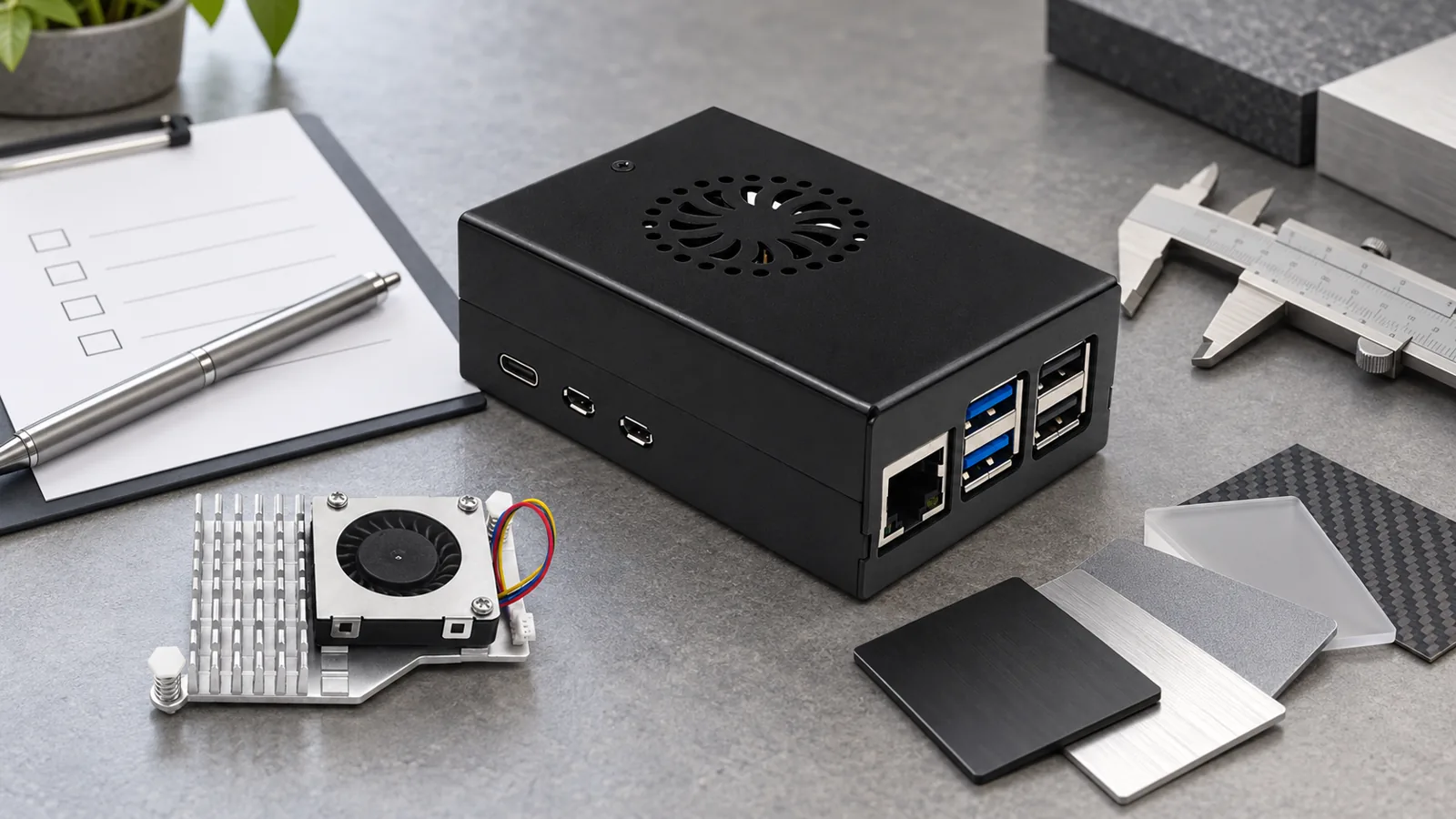
Begin by browsing the verified Raspberry Pi 5 case range, then make a short configuration card for each candidate. A case photo is only a starting point: record the board generation, included cooler or thermal parts, visible-access needs, power-supply scope, packaging revision and support copy that depend on the chosen assembly.
| Private-label SKU role | Control before artwork | Keep separate until confirmed |
|---|---|---|
| Standard retail build | Board revision, required cable exits, service access and included parts | Builds with an extra HAT, adapter or unusual cable path |
| Cooling-oriented build | Exact fan/heatsink arrangement, power plan and listing language | Any version whose thermal result has not been confirmed for that assembly |
| Regional bundle | Power-supply plug scope, insert language and carton identification | Look-alike variants with different included accessories |
Approve fit against the complete Pi 5 assembly
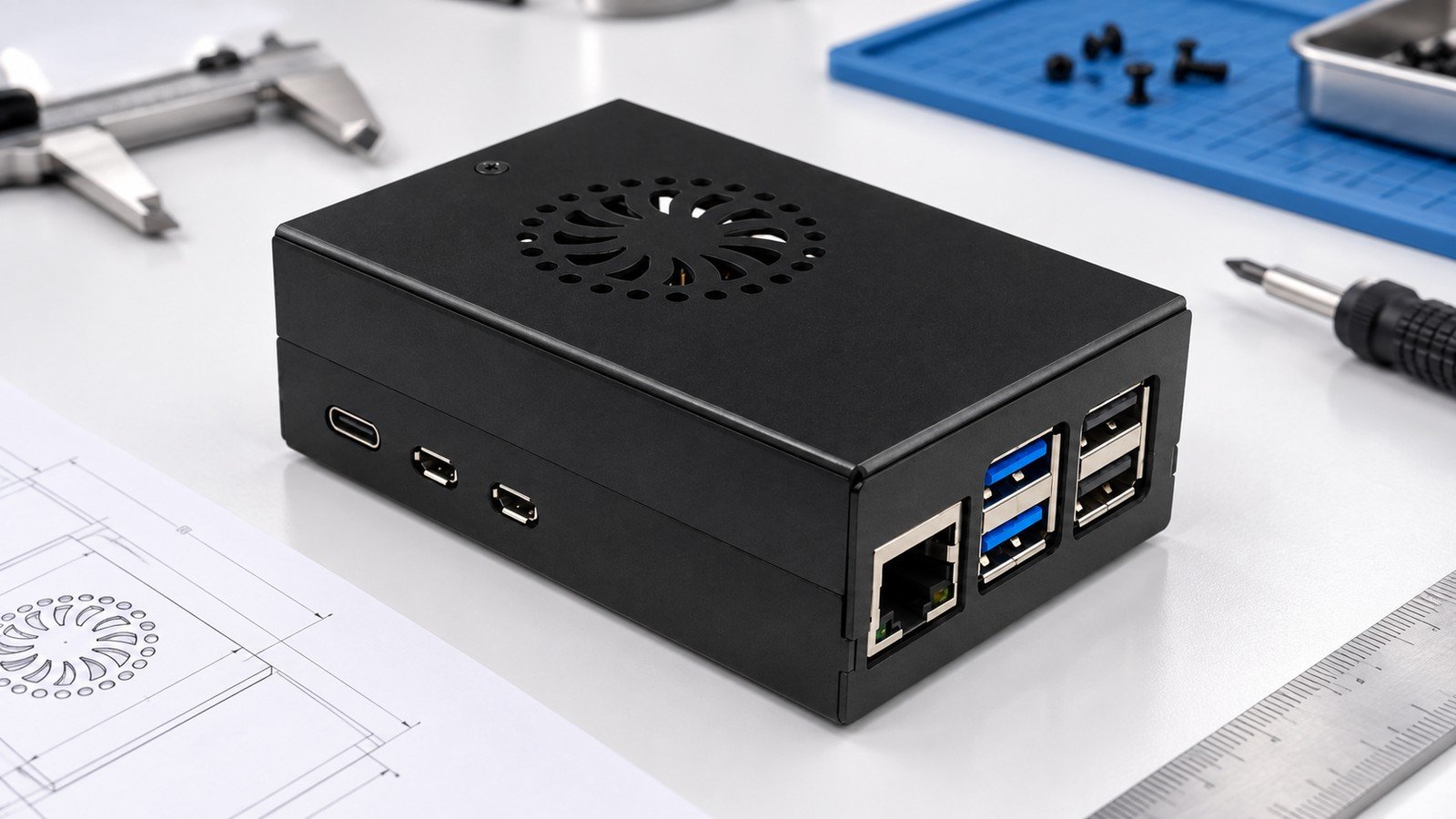
Raspberry Pi 5 has dual micro-HDMI, USB-C power, USB ports, Gigabit Ethernet, a 40-pin header and expansion interfaces. The official Raspberry Pi 5 specification establishes those board capabilities; it does not establish that a third-party case clears a particular HAT, M.2 adapter, cable bend or display ribbon. That distinction is where private-label approval either stays disciplined or starts to drift.
My rule is simple: approve the same assembled stack that will be shown and sold. Ask for confirmation of the required external access, any internal-height constraint, cooling-part clearance and the service steps a buyer must perform. Do not let “Pi 5 compatible” absorb unverified expansion or accessory fit.
Choose the case architecture around the support promise
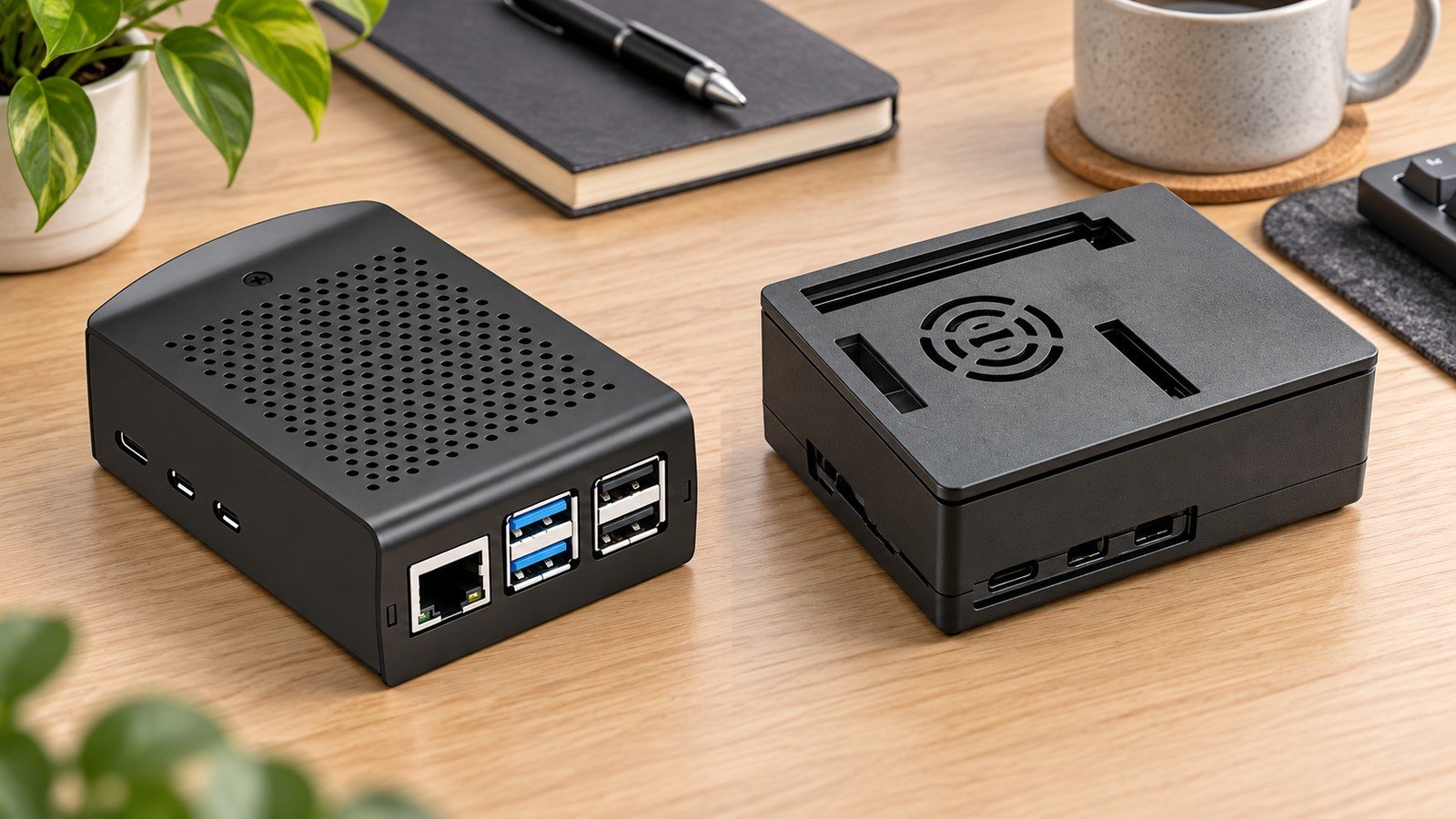
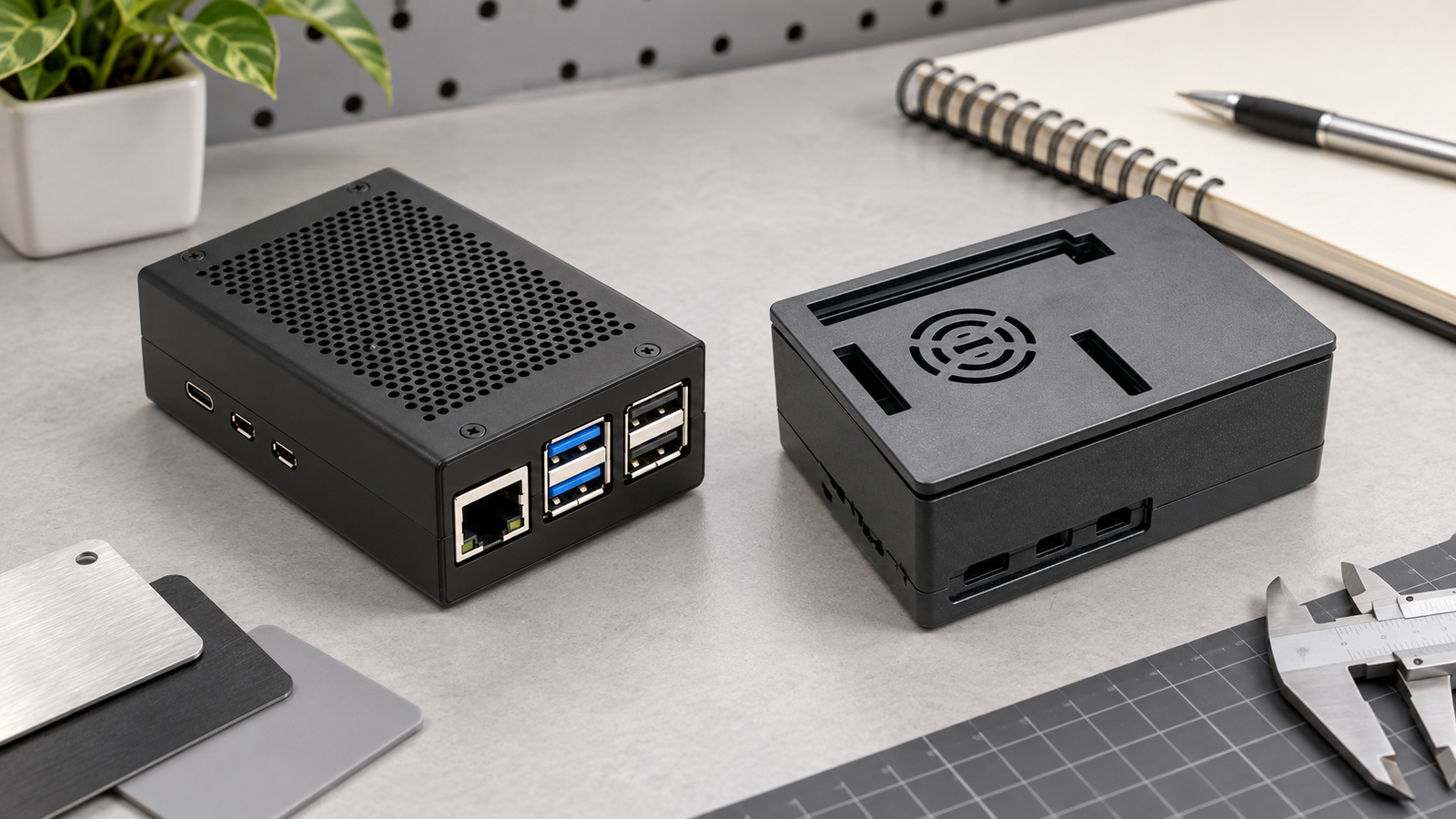
Resellers often need more than one architecture, but they do not need a catalogue with no decision logic. An aluminum Pi 5 case architecture and an ABS active-cooler case architecture are relevant paths in the verified site inventory. Their product titles do not prove the same accessory clearance, cooling outcome or retail fit, so each needs its own sample review.
I would keep the comparison focused on what changes a reseller’s support burden: how the customer reaches needed connections, whether the intended cooler and accessories are part of the approved stack, how the unit is opened for service, and whether the packaging clearly differentiates it from a nearby SKU. That is more durable than calling one material “better” without the configuration context.
| Decision area | What to confirm | What not to claim without evidence |
|---|---|---|
| Access and assembly | Required ports, GPIO or cable routing for the sold build | Universal peripheral or add-on compatibility |
| Cooling setup | Included fan/heatsink parts and their physical clearance | Temperature reduction or sustained-load performance |
| Product identity | Finish, case version, included components and SKU label | That a visually similar substitute is the same approved product |
Make power and cooling claims part of the release record
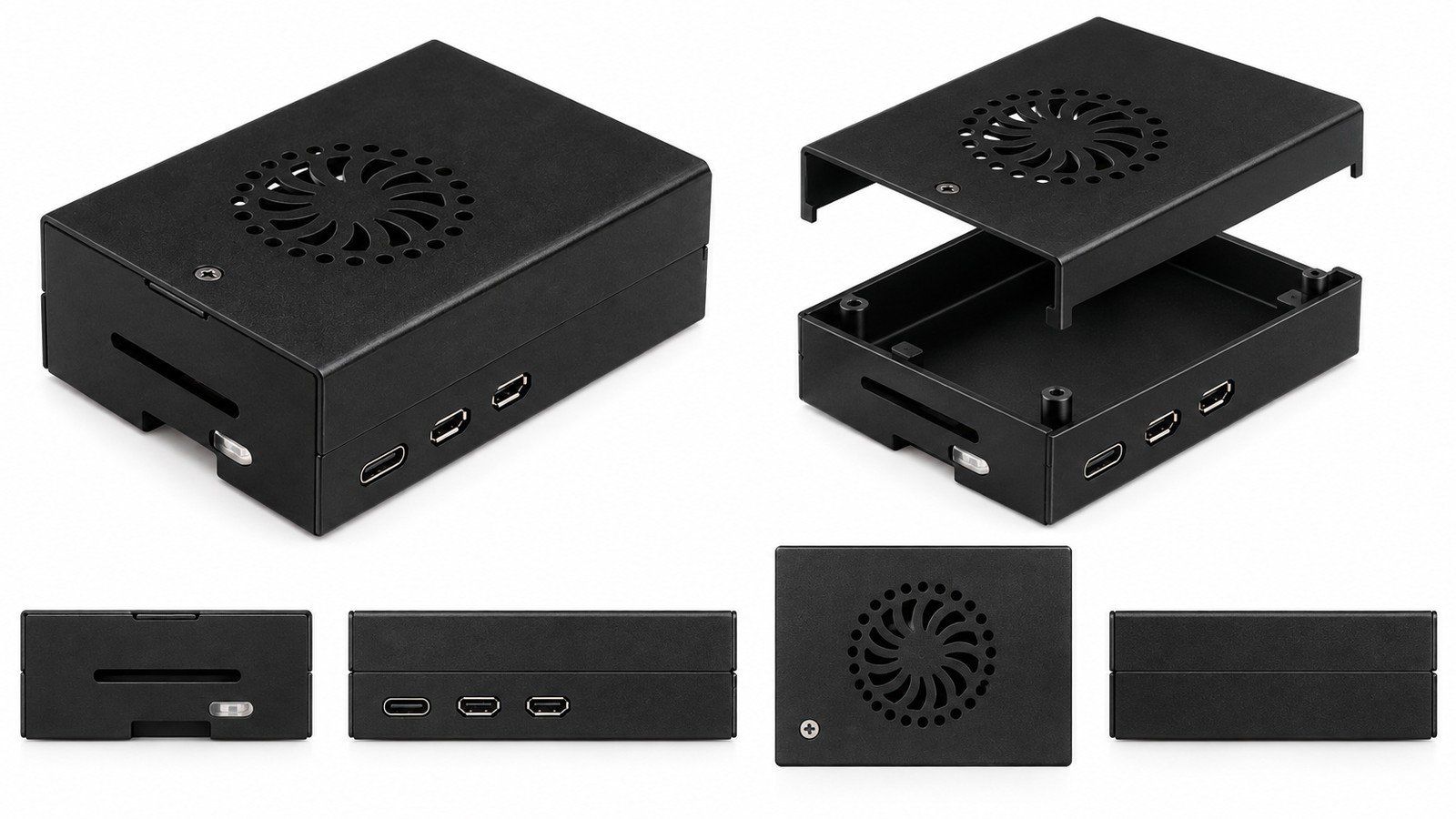
Power and cooling are easy places for retail copy to overreach. Raspberry Pi recommends a 5V/5A supply for Pi 5; its documentation also notes that a 5V/3A supply limits peripherals to 600mA. A listed Pi 5 power-supply option may suit a proposed bundle, but the plug region, connector clearance and included peripherals still need to be confirmed for that SKU.
The official documentation explains that active cooling can help with sustained workloads. I would treat that as a selection boundary, not a permission to print a performance number on a branded box. State only the cooling hardware actually supplied, use conditional language for workload outcomes, and hold any measured claim until the exact retail assembly has appropriate evidence.
Release packaging and copy only after the physical sample agrees
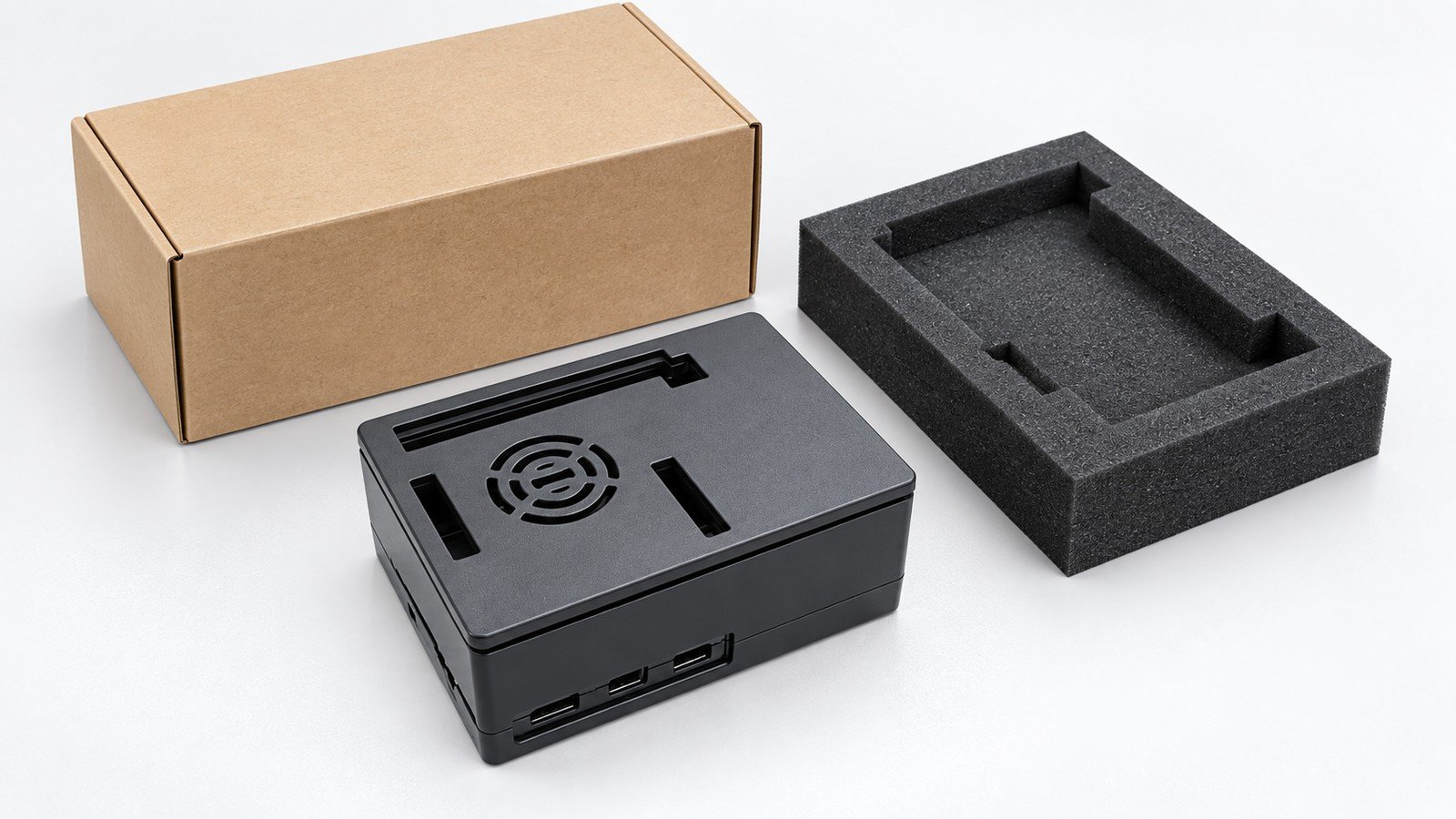
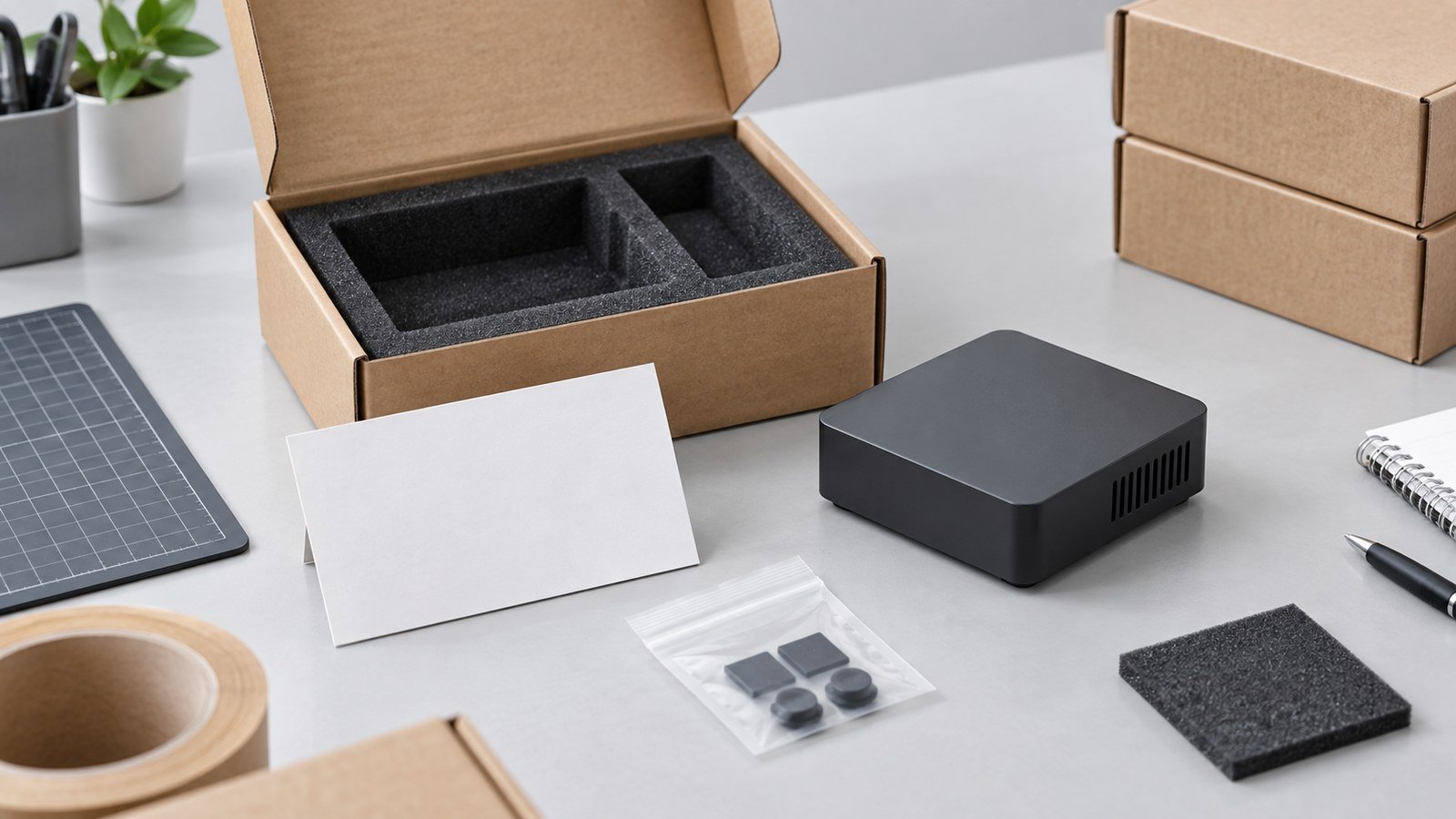
A logo, color reference and insert can be approved quickly; the physical configuration must still lead. I regard artwork approval as incomplete until the sample, carton contents, barcode/SKU identity and listing description all point to the same version. That one check prevents a private label from becoming a polished wrapper around an unresolved technical question.
Keep the copy literal. Name the included case and any included cooling or power item only when verified. Avoid unsupported certification marks, ingress claims, universal-fit language, thermal figures and wording that suggests an official Raspberry Pi affiliation. Raspberry Pi trademark guidance is a useful reminder to use the name descriptively for verified compatibility, not as a claim of endorsement.
Control substitutions and receiving changes before they reach the listing
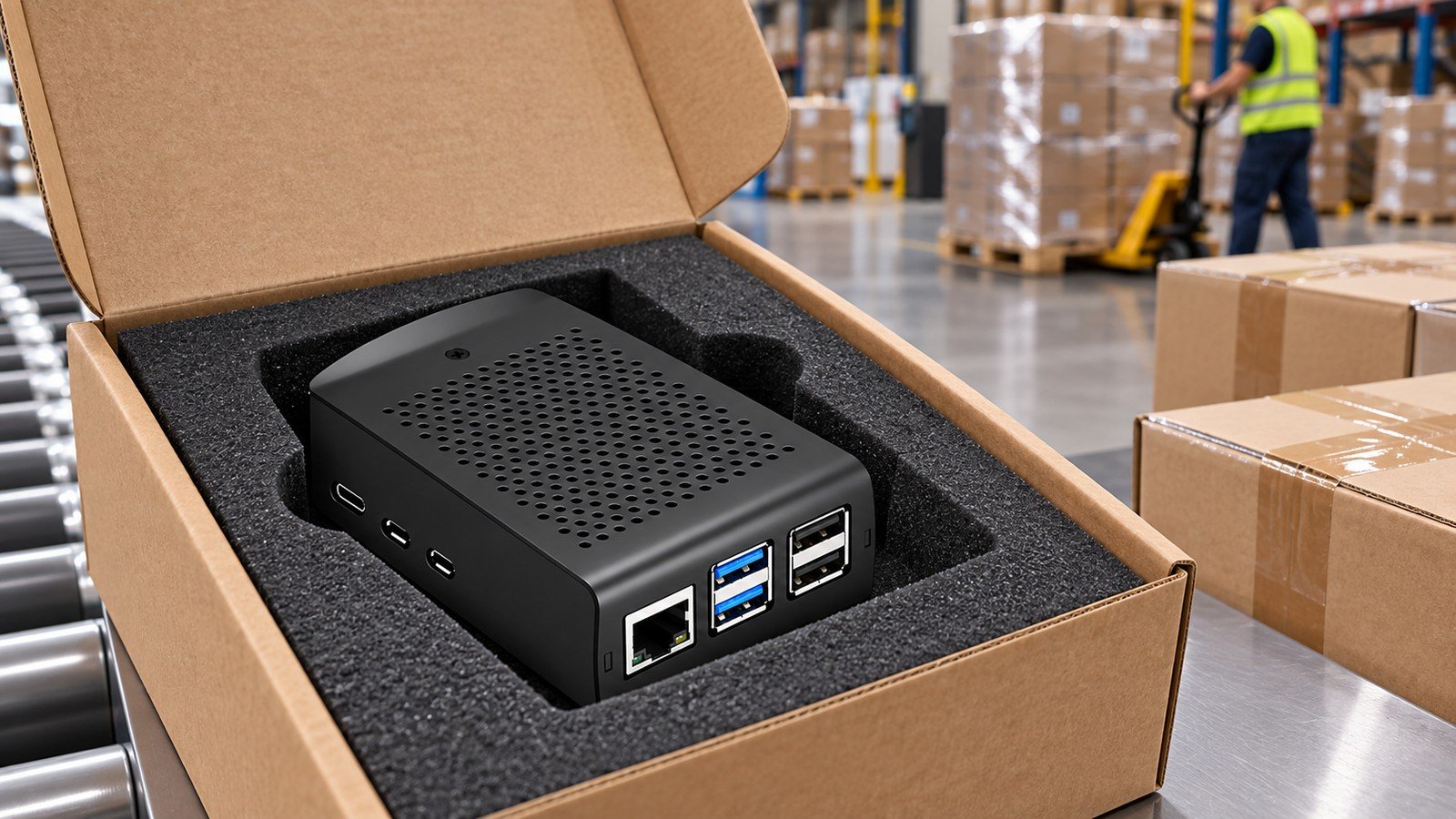
Private-label control continues after the initial sample. A warehouse does not need a complex system to protect a reseller; it needs a way to recognize when the delivered unit differs from the released SKU. We normally advise recording the case version, finish, cooling parts, power scope where relevant, insert revision and carton identifier on a receiving card.
If an opening, fan, included part or insert changes, pause the affected SKU for review instead of treating it as a harmless substitution. The buyer-facing listing, support instructions and brand promise may all depend on that detail. This is a small operational discipline with a very practical payoff: fewer silent mismatches to explain later.
Private-label Pi 5 case questions resellers should settle
Can one branded Pi 5 case cover every bundle?
Usually not. Access needs, cooling parts, adapters, cable routing and included power can make one retail configuration different from another. Keep variants separate until each assembly is confirmed.
What should be on a private-label approval record?
Record the case identity, intended assembly, access requirements, included parts, cooling approach, power scope, artwork revision, packaging layout and the listing statements that rely on those facts.
Can a case be described as officially approved?
Only if that specific status is established. Otherwise, use Raspberry Pi descriptively for verified model compatibility and avoid implying endorsement, affiliation or certification.
Turn the idea into a fit-confirmation brief
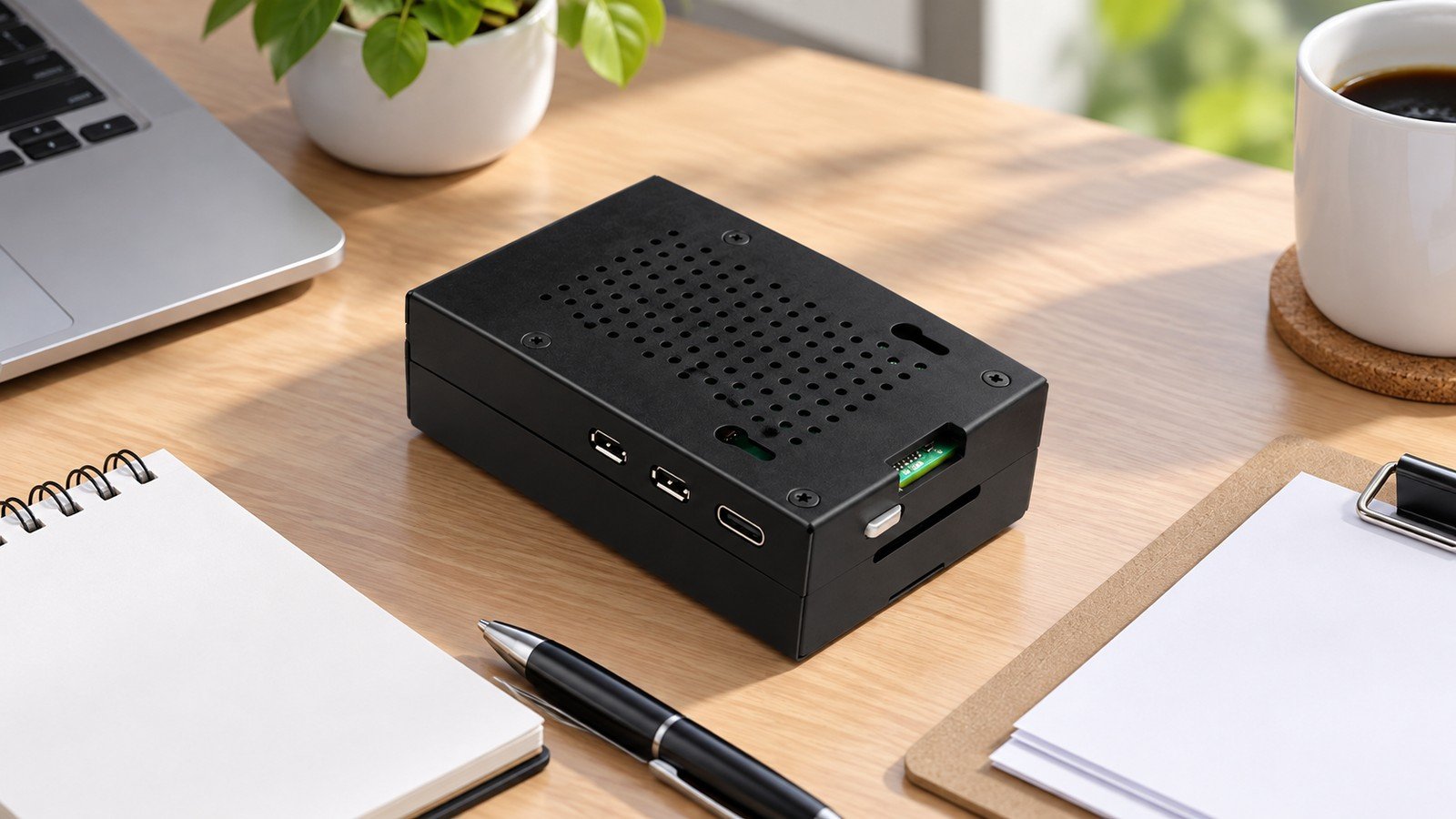
Before I would release a private-label Pi 5 case, I would ask for a compact brief: board and intended assembly, required port/GPIO access, accessory stack, cooling preference, power-supply scope, case finish, included parts, artwork and packaging requirements, destination market and expected quantity. It is enough to find the real fit questions early without inventing commercial terms.
Send the proposed Pi 5 assembly and private-label requirements before finalizing artwork or stocking plans. We can identify the closest case path and the details that still need confirmation.


Leave A Comment