
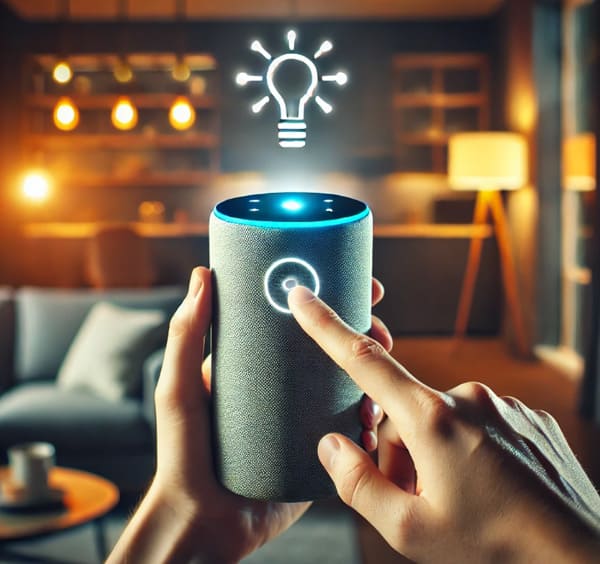
Smart home automation is all the rage with interesting DIY projects, and Arduino is leading the charge in IoT devices and unique project ideas as a source. With its easy setup for home automation projects, you can control lights, security systems, and even appliances from your phone while also integrating a home energy consumption monitor and various IoT devices for interesting DIY projects. It’s budget-friendly and perfect for DIY enthusiasts looking to make their homes smarter with interesting Arduino projects and Arduino project ideas. You can customize everything to fit your lifestyle, including smart gardening systems and interesting Arduino projects, making it a super convenient home automation project. Plus, there’s a huge community out there sharing ideas and projects on smart gardening systems.
In this listicle, we’ll cover the top Arduino kits and components that can kickstart your smart home journey. Get ready to learn about the best options available today, including interesting Arduino projects. Please scroll down for reviews of our top picks and find the perfect gear to transform your living space!
1. Automated Plant Watering System
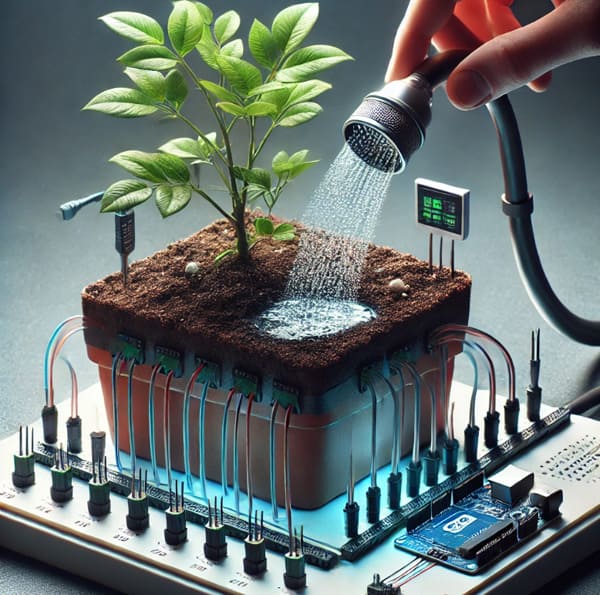
An Automated Plant Watering System uses Arduino technology to care for your plants without constant attention. This system measures soil moisture levels in Arduino projects to decide when to water your plants.
Arduino sensors are key components. They monitor the moisture in the soil through Arduino projects, ensuring plants receive just the right amount of water. If the soil gets too dry, the Arduino projects system automatically activates a pump that waters the plants. This feature is especially important for busy homeowners who regularly forget to water their plants, including those working on Arduino projects.
Creating a user-friendly interface is essential. Users can schedule watering times and monitor moisture levels through a simple app or dashboard for Arduino projects. This means you can check on your Arduino projects and plants from anywhere in your home. Imagine adjusting watering schedules with Arduino projects while relaxing on the couch!
Statistics show that over 30% of houseplants die from overwatering or underwatering. An automated system significantly reduces this risk. For example, one homeowner reported a 50% decrease in plant mortality after installing an automated watering system using Arduino projects.
These systems conserve water by only using what is necessary. This helps your plants thrive and supports sustainable practices at home.
2. Voice-Activated Lights Control
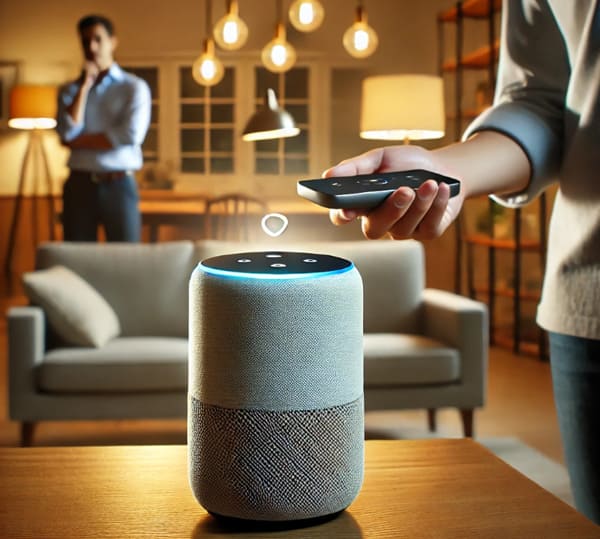
Voice-Activated Lights Control allows you to manage your home lighting effortlessly. This setup uses voice recognition technology to turn lights on and off, adjust brightness, and change colors. Imagine walking into your home and saying, “Turn on the living room lights.” Instantly, your space brightens up.
Integration with smart speakers like Amazon Echo or Google Home makes this system even more convenient. You don’t need to buy additional devices; connect your Arduino setup with your smart speaker. This connection ensures smooth operation, allowing you to control your lights from anywhere in the house.
Customizing your lighting settings is essential for creating the right atmosphere. Developing a mobile app for your voice-activated lights lets you set schedules and choose lighting preferences. For instance, you can program soft lighting for movie nights or bright lights for reading sessions.
Statistics show that smart home automation can save energy and reduce electricity bills by up to 30%. You can contribute to energy efficiency by automating your lighting while enjoying modern conveniences.
Interactive projects using Arduino can be fun and educational. Many DIY enthusiasts share their experiences online, showcasing how they built their systems. These examples inspire others to join in on home automation adventures.
3. Smart Thermostat with Arduino
Smart Thermostats with Arduino allow you to create thermostats that learn your preferences and adjust the temperature automatically based on your habits.
This system optimizes energy efficiency in your home by using temperature and humidity sensors. For example, if it detects that no one is home, it can reduce heating or cooling to save energy. According to the U.S. Department of Energy, programmable thermostats can save homeowners about 10-30% of their energy bills yearly.
Remote access is another key feature. You can control your heating and cooling systems via smartphone. Imagine being at work and realizing you forgot to adjust the thermostat. With this setup, you can easily change the settings from anywhere.
Here’s how you can set it up:
-
Gather materials like an Arduino board, temperature sensor (like DHT11), and a Wi-Fi module (like ESP8266).
-
Connect the sensors to the Arduino.
-
Write a simple program that reads data from the sensors.
-
Use an app or web interface for remote control.
This project enhances comfort and promotes sustainability by reducing energy waste. It’s an excellent way to start automating your home while being eco-friendly.
4. Arduino Door Lock System
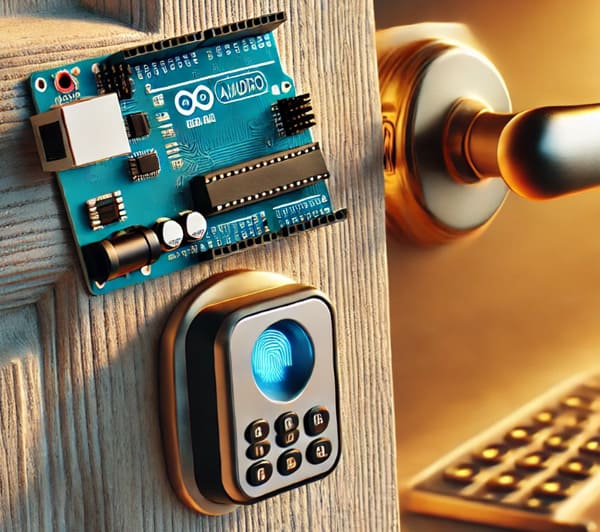
Arduino Door Lock System creates a secure door-locking mechanism that can be controlled remotely. This feature allows homeowners to lock or unlock their doors from anywhere using a smartphone or tablet.
Incorporating biometric or keypad entry adds another layer of security. Biometric systems, such as fingerprint readers, ensure that only authorized users can access the home. Keypad entry offers flexibility; family members can enter a code to gain access. This combination makes it harder for intruders to break in.
Developing a notification system is crucial. It alerts users of unauthorized access attempts. For example, if someone tries to enter the house with an incorrect code, the system sends an instant message to the homeowner's phone. This immediate feedback helps users respond quickly to potential threats.
Consider the statistics: homes without security systems are 300% more likely to be broken into. An Arduino-based door lock system deters thieves and gives families peace of mind.
The setup process is straightforward. Users connect components like the Arduino board, sensors, and motors. They can program the system using simple coding techniques available online.
5. Motion-Sensing Security Cameras
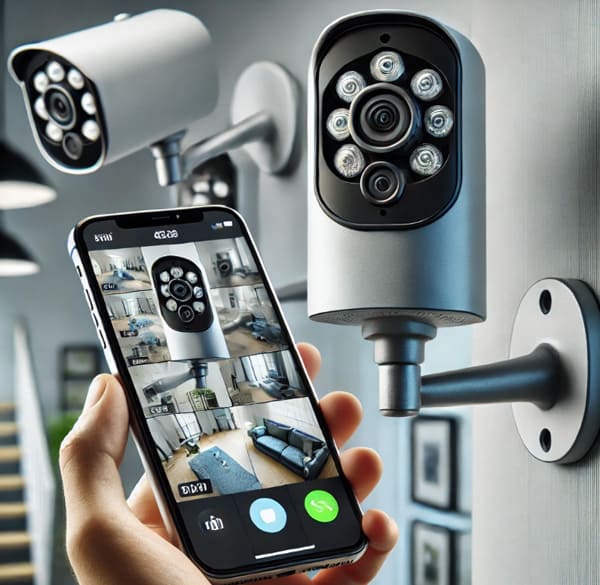
Motion-sensing security cameras play a vital role in home security systems. These devices activate when they detect movement, providing real-time surveillance of your property. This feature ensures that you never miss critical moments, like an unexpected visitor or potential intruder.
Arduino technology enhances these cameras by processing video feeds. It can analyze the footage and send instant alerts to your smartphone or tablet. For instance, if someone walks past your front door, the system can notify you immediately. This quick response helps you stay aware of what's happening around your home.
Remote viewing adds another layer of convenience. You can check the camera feed from anywhere using an app on your device. Many apps also allow you to playback recorded footage. Imagine working and checking in on your home to see if everything is okay. This capability offers peace of mind and control over your security.
Here are some key features of motion-sensing security cameras:
-
Real-time alerts: Get notified instantly when motion is detected.
-
Remote access: View live footage anytime, anywhere.
-
Playback options: Review past recordings through an app.
These gadgets protect your home and provide valuable insights into daily activities. Integrating with other smart devices forms a comprehensive security network for any household.
6. Arduino-Based Garage Door Opener
Arduino-based Garage Door Openers allow you to control your garage door from anywhere. For convenience, you can use your smartphone or voice commands. This feature makes life easier, especially when your hands are full.
Safety is crucial in any DIY project. This garage door opener can include obstacle detection. Sensors will stop the door if something is in the way. This prevents accidents and protects people and pets.
Tracking activity adds another layer of security. A logging system records when the garage door opens or closes. You can check this log anytime to see who accessed your garage. This feature gives peace of mind, knowing you can monitor activity easily.
Using an Arduino integrated development environment simplifies programming. For this project, you can find many resources and tutorials online. Websites like Instructables offer step-by-step guides for beginners.
Here are some key features:
-
Smartphone control
-
Voice command integration
-
Obstacle detection sensors
-
Activity logging system
This project enhances home security and showcases your DIY electronics skills. Building an Arduino-based garage door opener is a fun way to explore interesting Arduino projects while improving your home automation setup.
7. Smart Irrigation System
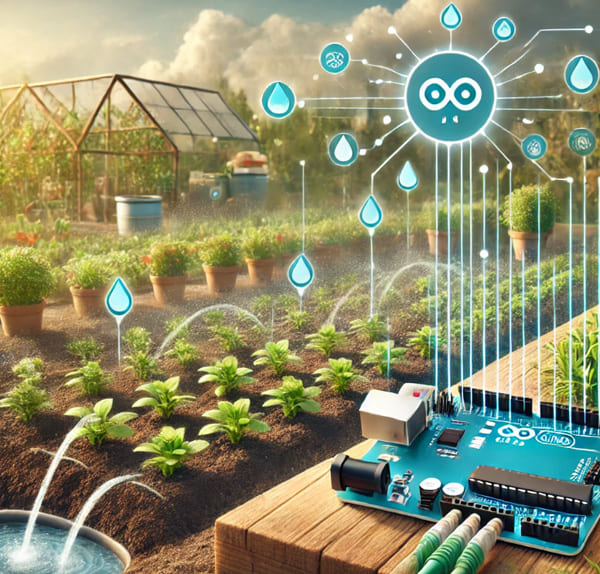
Smart Irrigation System adjusts watering schedules based on weather forecasts. This feature prevents overwatering during rainy days, saving both water and money.
Moisture sensors play a vital role in this system. They measure the soil's moisture levels and determine when plants truly need water, reducing water waste significantly. For example, a study by the Environmental Protection Agency shows that smart irrigation systems can cut water usage by up to 50%.
Users can monitor their garden from anywhere using a dashboard. This dashboard allows for easy remote control of the irrigation system. Imagine being at work and checking your garden's moisture levels with just a few taps on your phone. You can even adjust the watering schedule right from your couch.
Incorporating smart technology into gardening creates ingenious solutions for plant care. Homeowners can use unique project ideas that beautify their gardens and contribute to environmental conservation.
e essential tools for building a smart irrigation system include:
-
Arduino board
-
Moisture sensors
-
Weather API for forecasts
-
Relay module for controlling water pumps
These components work together to create an efficient irrigation setup. Adopting such systems leads to healthier plants and less hassle in maintaining them.
8. Arduino-Controlled Pet Feeder
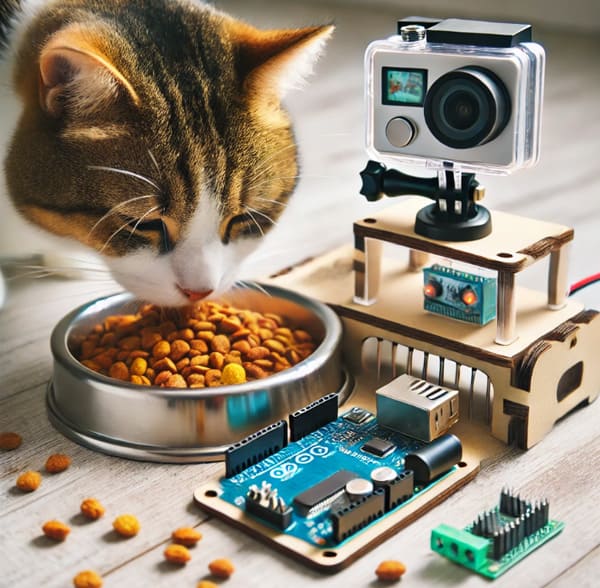
Arduino-Controlled Pet Feeder automates pet feeding, making life easier for busy pet owners. This device dispenses food at scheduled times or on demand. You can set it up to release specific food portions, ensuring your pet gets the right amount without overfeeding.
A standout feature is the integrated camera. This allows you to monitor your pets while they eat, giving you peace of mind when you're away. Imagine being able to check in on your furry friend during lunch breaks or while running errands. It’s a great way to see if they are eating correctly.
Customization is key with this feeder. Users can adjust feeding schedules and portions through a mobile app. This flexibility means you can change feeding times based on your daily routine or pet's needs. For example, if your dog usually eats at 6 PM but has a vet appointment that day, you can easily shift their meal time.
Statistics show that automated feeders help reduce anxiety in pets by providing consistent feeding routines. A Journal of Veterinary Behavior study found that pets thrive on predictability. With an Arduino-controlled feeder, you create a schedule that works for both you and your pet.
This smart feeder simplifies feeding and strengthens the bond between you and your pet by ensuring they receive care even when you're not home.
9. Energy Monitoring System
An energy monitoring system tracks the energy consumption of various appliances in your home. This setup helps you understand how much power your electronic devices use daily.
Data analytics plays a crucial role here. It provides insights into your energy usage patterns. For example, you might find that your refrigerator uses more energy at night. This information helps you identify savings opportunities, like adjusting when you run certain appliances.
Alerts for unusual energy spikes are also essential. For example, you'll be notified if your washing machine suddenly uses double its usual amount of power. This feature helps you manage consumption effectively and can prevent unexpected high bills.
Consider the benefits this system offers:
-
Cost Savings: By identifying which devices consume the most energy, you can adjust usage to save money.
-
Environmental Impact: Reducing energy consumption lowers your carbon footprint.
-
Convenience: Monitor energy use from your smartphone or computer, making it easy to stay informed.
According to a U.S. Department of Energy study, homes with energy monitoring systems can reduce their energy bills by 10-15%. That’s significant savings over time!
Incorporating an energy monitoring system into your smart home saves money and promotes responsible energy usage. With real-time data and alerts, you gain control over your home's energy consumption.
10. Home Automation with IoT Integration
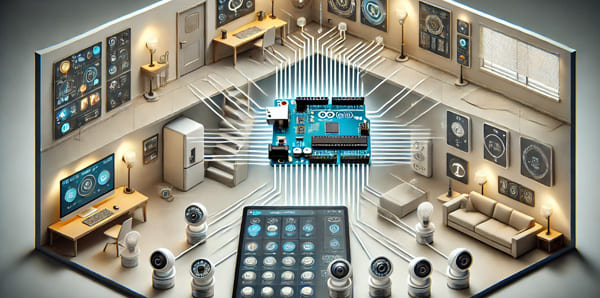
Home automation using Arduino and IoT integration offers a seamless device management experience. With Arduino, you can connect various IoT devices like lights, thermostats, and security cameras. This allows you to control everything from one centralized dashboard.
Setting up a home automation project is straightforward. For instance, you can program an Arduino board to manage your smart appliances. By using protocols like MQTT or HTTP, your devices communicate effectively. This connectivity enhances the overall smart home experience.
Statistics show that the home automation market is growing rapidly. In 2023, it was valued at over $80 billion and is expected to reach $135 billion by 2025. This growth indicates increased interest among consumers in smart home projects.
Future developments in this field may include more advanced features. Imagine controlling your connected home with voice commands or a mobile app. The potential for interactive projects is vast. Users could even create custom routines for different times of the day.
As more people embrace smart homes, the demand for programmable home automation hubs will rise. These hubs simplify managing multiple devices, making it easier for families to enjoy the benefits of a connected lifestyle.
Final Remarks
You've seen how Arduino can transform your home into a smart haven. From watering your plants to securing your doors, these projects boost convenience and security. They save time and make life easier. Plus, they’re fun to build!
Now it’s your turn. Grab that Arduino kit and start creating your smart home solutions. The possibilities are endless, and you’ll learn a ton along the way. So, get out there and make your home smarter today!
Frequently Asked Questions
What is an automated plant watering system?
An automated plant watering system uses sensors and Arduino to water plants based on soil moisture levels. This ensures your plants get the right amount of water without you having to do it manually.
How can I use Arduino to control lights with voice commands in exciting DIY projects for a programmable home automation hub or home assistant in home automation projects?
You can use an Arduino with a microphone and a relay module to create a voice-activated light control system. It listens for specific commands and turns the lights on or off, making your home smarter.
What features does a smart thermostat with Arduino have?
A smart thermostat built with Arduino can adjust heating and cooling based on your preferences. It can learn your schedule and help save energy by optimizing temperatures when you're home or away.
How does an Arduino door lock system work?
An Arduino door lock system typically uses a motorized lock controlled by an Arduino board. You can unlock it using a keypad, RFID card, or even remotely via Wi-Fi, enhancing security at your home.
What are motion-sensing security cameras?
Motion-sensing security cameras detect movement and record video when triggered. When integrated with Arduino, they can send alerts to your phone or activate alarms for added security in your home.
Can I automate my garage door with Arduino?
Yes, you can create an Arduino-based garage door opener to remotely open and close your garage door. This adds convenience and security to your home automation setup.
Why is energy monitoring important in home automation?
Energy monitoring helps track how much energy your devices use. With Arduino, you can identify high-consumption appliances and make adjustments, leading to lower bills and a more eco-friendly home.


Leave A Comment