

Installing a Raspberry Pi 5 for mining bitcoins can save you money and energy while contributing to the initial coin distribution with a number of advantages. Running BFG Miner on this spare Raspberry Pi powerhouse is easier than it seems to install for Raspberry Pi mining. You can tap into the cryptocurrency world, from initial coin distribution to old pi, without breaking the bank. Whether you're a newbie or a seasoned miner, this guide will walk you through the steps to install your coin and get started with a bit of knowledge.
Setting up your Raspberry Pi 5 with BFG Miner to install coin mining opens up new opportunities in crypto mining. It’s all about maximizing efficiency while keeping costs low. You can turn your Raspberry Pi into a coin-mining rig that works for you in just a few simple installation steps. Let’s jump right in and install coin crypto mining to make it accessible and fun!
Key Takeaways
-
Get Ready to Mine Coin: Before starting to mine, ensure your Raspberry Pi 5 is set up correctly. This includes having a reliable power source and a good internet connection to avoid interruptions while mining coins.
-
Install BFGMiner Properly: Follow the installation steps carefully. A smooth installation of BFGMiner is crucial for effective coin mining. If you run into issues, check forums or guides for troubleshooting tips.
-
Create a Mining Account: Set up a coin account with a mining pool. This allows you to combine your efforts with others, increasing your chances of earning Bitcoin. Make sure to choose a reputable pool that fits your needs.
-
Connect and Configure: Pay attention to the coin configuration settings in BFGMiner. Properly connecting your device and configuring settings can significantly affect your mining performance, coin, and profitability.
-
Start Mining Wisely: Once everything is set up, start the mining process, but monitor it closely. Monitor your system’s performance and temperature to avoid overheating or hardware damage.
-
Stay Informed: Keep learning about Bitcoin mining trends and updates. The crypto landscape changes quickly, so staying informed will help you make better decisions for your mining operations.
Understanding Bitcoin Mining
Basics of Bitcoin
Bitcoin is a decentralized digital currency. It operates without a central authority, like a bank, and instead relies on a network of computers to manage transactions.
Transactions happen through blockchain technology. This technology records all transactions in a public ledger. Each transaction is verified by multiple nodes in the network, ensuring that no one can cheat the system.
Bitcoin has become significant in modern finance. Many people view it as an investment opportunity. Its value can rise and fall rapidly, attracting investors looking for profit.
Importance of Mining
Mining is essential for validating transactions. It involves solving complex mathematical problems. Miners add these validated transactions to the blockchain.
Miners play a crucial role in maintaining security. They protect the network from fraud and attacks and ensure the integrity of all transactions.
In return for their work, miners receive rewards. These rewards include newly minted bitcoins and transaction fees. This incentive encourages more people to mine, supporting the entire Bitcoin ecosystem.
Why Use Raspberry Pi
Raspberry Pi offers a cost-effective and energy-efficient mining platform. It allows users to start mining without spending too much money on hardware.
Setting up a Raspberry Pi is simple and straightforward. Users can quickly install necessary software like BFG Miner. Flexibility is another advantage; Raspberry Pi can be used for various projects beyond mining.
Community support is strong for Raspberry Pi users. Many online forums provide resources and share experiences. This support makes troubleshooting easier for beginners in cryptocurrency mining.

Preparing Raspberry Pi 5
Hardware Requirements
Essential hardware components are crucial for successful mining. Start with a Raspberry Pi. This small computer is the heart of your setup. A USB Bitcoin miner is also necessary. It connects to the Raspberry Pi and does the actual mining work.
A powered USB hub is important, too. It allows you to connect multiple devices without power issues. A reliable power supply ensures your Raspberry Pi runs smoothly. Without it, mining operations may stop unexpectedly.
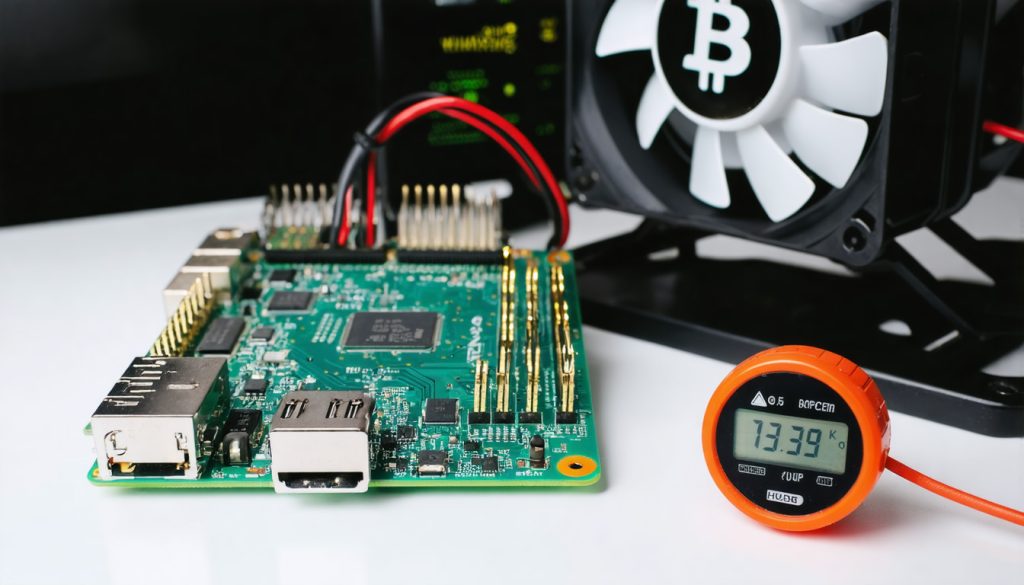
Consider additional hardware options to boost performance. For example, using a cooling fan can prevent overheating. An external hard drive can help store data securely. These enhancements can make your mining process more efficient.
Software Setup
To run the Raspberry Pi, you need a Raspbian image on an SD card. This operating system is essential for smooth functionality. Download the latest version from the official Raspberry Pi website.
Keeping your software updated is vital. Updates improve performance and security. Regularly check for new versions of BFGMiner as well.
The main mining software tool is BFGMiner. This program effectively manages your miner's operations. Other tools, like CGMiner or Minerstat, may be needed for monitoring purposes. Ensure you have these ready before starting.
Installing Libraries
Open LXTerminal to access the command line on your Raspberry Pi. This step is necessary for installing required libraries. Start by updating your package list with sudo apt-get update.
Next, install specific libraries for BFGMiner functionality. These include build-essential, libcurl4-openssl-dev, and libjansson-dev. Each library ensures BFGMiner works correctly.
Check that all libraries are installed without errors. Missing or incorrect installations can lead to compilation issues later on. Running into problems at this stage can delay your mining setup significantly.
Installing BFGMiner
Downloading BFGMiner
Start by cloning the BFGMiner repository from GitHub. Use this command in your terminal:
git clone https://github.com/luke-jr/bfgminer.git
Downloading the latest version is crucial. It ensures you get new features and important fixes. After cloning, navigate to the BFGMiner directory with:
cd bfgminer
This step is essential for the next installation steps.
Installation Steps
Now, configure and compile BFGMiner from the source code. First, run the autogen.sh script. This prepares the built environment. The command looks like this:
./autogen.sh
Next, use the configure command. This sets up the specific options for your system.
After that, you need to build the executable. Use the make command:
make
This step creates the BFGMiner program from the source code. Each command is vital to ensuring that everything works correctly.
Verify Installation
Check if the BFGMiner executable is present in your directory. Run this simple command:
ls
Look for a file named bfgminer. If it’s there, your installation was successful.
To test if BFGMiner starts without errors, run:
./bfgminer --version
This command shows you the version of BFGMiner that is running. If there are any error messages, take note of them. Address those issues before moving on to mining.
Setting Up Mining Account
Choosing a Mining Pool
Mining pools are groups of miners who combine their resources. This helps them solve blocks faster and share the rewards. Joining a pool is often better than solo mining, especially for beginners. Solo mining can take a long time to earn any rewards.
When selecting a mining pool, consider these factors:
-
Fees: Different pools charge different fees. Lower fees mean more profits.
-
Payout Methods: Pools offer various payout options. Choose one that fits your needs.
-
Pool Size: Larger pools have more consistent payouts but smaller shares. Smaller pools may pay less often but offer larger shares.
Researching and comparing different pools is essential. Look for reviews and community feedback to find the best fit for you.
Creating an Account
To start mining, you need a Bitcoin wallet. This wallet stores the coins you mine. Download a reliable wallet app on your Raspberry Pi 5 or another device. Popular options include Electrum and Exodus.
Next, create an account with your chosen mining pool. Provide accurate information during registration to ensure smooth payments later on. After creating your account, set up your payment method. Most pools allow bank transfers or cryptocurrency payments.
You also need to create worker accounts within the pool. Worker accounts help identify your contributions to the pool's efforts. Assign unique names to each worker for easy tracking.
Configuring Pool Details
After setting up your accounts, it’s time to connect BFGMiner to the pool. Carefully enter your pool credentials in BFGMiner, including your unique wallet address and worker details.
Correctly configuring worker names and passwords is crucial for successful mining. Mistakes here can lead to lost earnings or connection issues.
Double-check all details before starting the miner. Verify the pool server addresses and ports are correct. Using incorrect information can prevent you from connecting to the mining pool.
Connecting and Configuring
Connecting Mining Devices
Start by connecting your USB Bitcoin miners to the Raspberry Pi. Each miner needs a USB port. If you have multiple miners, use a powered USB hub. This will prevent power issues that can occur when too many devices draw power from the Raspberry Pi.
Before starting the mining process, ensure all devices are recognized. You can check this in the terminal using commands like lsusb. If your miners show up here, you're ready to go. Not recognizing your devices can lead to wasted time and frustration during mining.
Configuring BFGMiner Settings
Next, modify the BFGMiner configuration file for optimal performance. Open the config file in a text editor on your Raspberry Pi. Adjust settings like frequency and intensity based on your hardware's capabilities.
For example, if your miner is overheating, lower the frequency. If it's running smoothly, you might increase it slightly. Every setup is unique, so experiment with different configurations. Finding the right balance can significantly improve your mining efficiency.
Optimizing Performance
Monitoring temperature and power consumption is essential for maintaining hardware health. High temperatures can damage components over time. Use tools like vcgencmd measure_temp to keep an eye on temperatures.
Regularly updating BFGMiner and its libraries helps you benefit from performance improvements. New updates often include bug fixes and enhancements that can boost efficiency.
Consider exploring overclocking options as well. Overclocking can increase performance but comes with risks. Always stay within safe limits to avoid damage to your hardware.
Starting the Mining Process
Launching BFGMiner
To start mining with BFGMiner, you need to use the command line. Enter the following command:
bash bfgminer -o stratum+tcp://pool_address:port -u username.worker -p password
Replace pool_address and port with the mining pool's address and port number. Use your actual worker name and password in place of username.worker and password. This command connects your Raspberry Pi 5 to the mining pool.
The parameters are crucial. The -o flag specifies the pool address. The -u flag is for your worker credentials. The -p flag is for your password. After entering the command, watch the output closely. Look for any issues that might arise during the initial launch.
Monitoring Performance
Monitoring your mining performance is essential. You can use built-in commands in BFGMiner to track hash rates. For example, use the command stats to view real-time statistics about your mining activity.
It would be best to keep an eye on your mining pool dashboard. Most pools provide a user-friendly interface showing current mining speed and accepted shares. This information helps you understand how well your setup performs.
Logging performance data is also a smart move. Create a simple spreadsheet to record your hash rates daily. Over time, this data will reveal trends and patterns in your mining efficiency, and adjustments based on this data can improve your overall results.
Troubleshooting Common Issues
Common problems may arise while mining with BFGMiner. Connection errors are frequent, especially if there’s an issue with your internet connection or pool settings. Low hash rates can also be a concern, indicating that something isn’t functioning well.
If you encounter connection errors, double-check your configurations. Ensure that the pool address and credentials are correct. Restarting your Raspberry Pi 5 can solve many minor glitches.
For low hash rates, consider checking your hardware setup. Make sure everything is connected properly and functioning as intended. If problems persist, consult online forums and communities dedicated to cryptocurrency mining. Many experienced miners share solutions that can help resolve issues quickly.
Pensamientos Finales
You've learned how to set up BFGMiner on your Raspberry Pi 5. This little powerhouse can turn your hobby into a money-making venture. With the right steps, you can join the mining community and earn Bitcoin.
Don’t forget to keep an eye on your setup and optimize it as you go. Experiment with different configurations for better performance. Your journey in crypto mining is just beginning, so stay curious and keep learning. Dive into forums, connect with fellow miners, and share your experiences. The more you engage, the more you'll grow. Ready to make some coins? Let’s get mining!
Frequently Asked Questions
How can I prepare my Raspberry Pi 5 as an efficient Bitcoin miner with a USB miner, a USB script miner, and a Bitcoin wallet for mining?
Start by updating the system. Run sudo apt update and sudo apt upgrade. Ensure you have a reliable power supply and a stable internet connection. Install necessary dependencies like Git and build-essential to facilitate software installation.
Is BFGMiner compatible with Raspberry Pi 5?
Yes, BFGMiner is compatible with Raspberry Pi 5. It’s designed to run on various Linux distributions, making it suitable for your Raspberry Pi setup. Just ensure you have the right dependencies installed beforehand.
What are the minimum requirements for running BFGMiner?
You need at least 512 MB of RAM and a stable internet connection. While the Raspberry Pi 5 has sufficient specs, ensure that your power supply meets the device's needs during operation.
How do I set up a mining account?
Choose a mining pool that suits your needs. Sign up on their website, provide your wallet address, and create an account. This will help you receive payouts based on your mining contributions.
What configurations are needed in BFGMiner?
Edit the BFGMiner configuration file to include your mining pool URL, username, and password. After installation, this file is usually found in the BFGMiner directory. Adjust settings based on your hardware capabilities for optimal performance.
How do I start the mining process with BFGMiner?
Navigate to the BFGMiner directory and run the command ./bfgminer -o <pool_url> -u <username> -p <password>. Replace placeholders with your actual pool details. Monitor the console output for performance metrics.
Can I use my Raspberry Pi 5 as a computer for other tasks while mining bitcoins and managing my Bitcoin wallet during the initial coin distribution?
Yes, but it’s not recommended. Mining is resource-intensive and can slow down other processes. If you plan to multitask, consider optimizing your settings or using a more powerful machine dedicated to mining.


Leave A Comment